

Eczema Relief: Ceramides, Colloidal Oat & Fragrance-Free
The gentle rustle of oat fields, the scientifically precise ratio of essential skin lipids, and the quiet relief of an irritation-free morning. For millions of individuals living with atopic dermatitis (commonly known as eczema), these are not poetic musings; they represent the ultimate goal of a daily quest for comfort. Atopic dermatitis is a chronic, inflammatory skin condition characterized by intensely itchy, dry, and sensitive patches.
In the realm of botanical skincare and wellness, the philosophy of healing has evolved. It is no longer a choice between synthetic laboratory solutions and simple backyard herbs. Instead, the year 2026 marks a peak in clinical-botanical synergy, where natural compounds are backed by rigorous science to heal the skin barrier. To achieve true comfort, a dermatologist-approved approach focusing on ceramides, colloidal oatmeal, and a strict fragrance-free guideline is the path forward.
Understanding the Atopic Dermatitis Skin Barrier
Healthy skin functions like a well-built brick wall. The skin cells, or corneocytes, are the bricks, while the intercellular lipids act as the mortar. This structure prevents external irritants, allergens, and pathogens from entering the body, while simultaneously trapping water inside to prevent dehydration.
In people with atopic dermatitis, this barrier is compromised. This breakdown is often driven by a genetic deficiency in filaggrin, a critical structural protein responsible for helping skin cells mature and aggregate. The lack of filaggrin weakens the skin barrier, allowing moisture to escape easily, a process known as transepidermal water loss (TEWL). When moisture evaporates, the skin becomes dry, cracked, and highly vulnerable to environmental triggers.
Furthermore, an impaired skin barrier undergoes a shift in pH. While healthy skin is slightly acidic, maintaining a pH level of 4.5 to 5.5, eczema-prone skin often exhibits an elevated, more alkaline pH. This shift creates a hospitable environment for pathogenic bacteria, especially Staphylococcus aureus, to colonize and trigger inflammatory flares. To restore peace to highly reactive skin, we must employ targeted ingredients that mimic and repair the skin barrier.
Ceramides: The Molecular Mortar for Barrier Repair
When the skin barrier is damaged, replenishing the missing lipids is the first line of defense. This is where ceramides play an indispensable role. Ceramides are polar lipids that make up approximately 50 percent of the intercellular lipid matrix in a healthy stratum corneum. For those suffering from atopic dermatitis, research shows that the level of ceramides is severely depleted, leaving the skin cells detached and exposed.
Applying topical ceramides helps to fill the gaps between the skin cells, effectively reinforcing the physical barrier. This lipid replenishment is crucial for stopping the cycle of chronic dryness.
However, ceramides do not work in isolation. Clinical guidelines from leading organizations like the American Academy of Dermatology (AAD) emphasize that the most effective moisturizers are those that replicate the skin's natural lipid ratio. For optimal barrier repair, ceramides should ideally be formulated alongside cholesterol and free fatty acids. This harmonious blend mimics the natural composition of healthy skin, helping the stratum corneum recover its integrity faster and maintain long-term hydration.
Colloidal Oatmeal: Nature's Clinically Proven Soothing Agent
While ceramides address the structural lipid deficiency of atopic dermatitis, colloidal oatmeal is the ultimate botanical remedy for soothing the immediate, agonizing symptoms of a flare-up, such as itching and redness. Colloidal oatmeal is a highly specialized, finely ground oat (Avena sativa) processed to preserve its therapeutic compounds.
Colloidal oatmeal was officially recognized by the U.S. Food and Drug Administration (FDA) in 2003 as a safe and effective over-the-counter skin protectant. Clinical studies archived in the National Institutes of Health (NIH) database show that topical application of colloidal oatmeal significantly improves skin barrier function and restores natural skin hydration.
The secret to colloidal oatmeal's efficacy lies in its complex chemical makeup:
- Avenanthramides: These are unique, potent polyphenols found exclusively in oats. They possess exceptional anti-inflammatory and anti-itch properties, working by inhibiting the release of pro-inflammatory cytokines that trigger redness and prompt the urge to scratch.
- Beta-Glucans: These long-chain sugar molecules act as humectants. They form a protective, moisture-binding film over the skin, drawing water deep into the epidermis.
- Proteins and Saponins: The proteins in colloidal oatmeal act as natural pH buffers, helping to lower the elevated pH of eczema-prone skin back to its healthy, slightly acidic state.
The Fragrance-Free Guideline: Why Scent Is Your Skin’s Worst Enemy
For anyone navigating atopic dermatitis, the golden rule of skincare formulation is simple: it must be completely fragrance-free. The compromised skin barrier of eczema-prone individuals is highly permeable, meaning that chemical compounds can easily penetrate into the deeper layers of the skin, where they interact with the immune system. This makes the skin highly susceptible to allergic contact dermatitis, an inflammatory reaction that can severely worsen existing atopic dermatitis.
According to the National Eczema Association (NEA), fragrance is one of the most common contact allergens responsible for triggering eczema flares. It is vital to distinguish between two terms commonly used on skincare labels: "fragrance-free" and "unscented."
- Fragrance-Free: This means the product contains absolutely no fragrance chemicals or masking scents. Every ingredient in the formula is chosen solely for its therapeutic or structural benefit, not for its aroma.
- Unscented: This is a deceptive label. Unscented products may contain synthetic fragrances or botanical extracts designed to mask the naturally unpleasant odor of other active ingredients. These masking agents can still trigger severe allergic reactions.
In the botanical skincare and wellness space, there is often a misconception that natural scents, such as essential oils, are safe. In reality, essential oils like lavender or tea tree are highly concentrated botanical extracts that can easily trigger severe allergic reactions in compromised skin. For individuals with atopic dermatitis, true botanical wellness means embracing the earthy, unmasked, and fragrance-free scents of raw ingredients.
| Key Ingredient | Primary Function | Barrier Repair Mechanism | Origin & Profile | Best Eczema Stage |
|---|---|---|---|---|
| Ceramides | Restores lipids, prevents moisture loss | Acts as the intercellular mortar to lock the skin cells in place | Synthetically bio-identical or plant-derived (phyto-ceramides) | Daily maintenance and flare-up prevention |
| Colloidal Oatmeal | Soothes itch, reduces inflammation, balances pH | Reduces inflammatory cytokines and acts as a natural humectant | Botanical extract from finely ground Avena sativa kernels | Active flare-ups and intense itching phases |
| Petrolatum | Heavy occlusion, intensive sealing | Forms a physical, hydrophobic barrier over the stratum corneum | Clinical grade mineral-derived emollient | Severe dry patches, post-bath sealing |
| Niacinamide (Vitamin B3) | Boosts natural ceramide production, calms redness | Stimulates keratinocyte differentiation and natural lipid synthesis | Water-soluble clinical vitamin active | Long-term barrier strengthening |
Botanical Skincare and Wellness: The Holistic Soak and Seal Protocol
Achieving long-term relief from atopic dermatitis requires a mindful, consistent daily ritual. In the botanical skincare and wellness community, the focus is on supporting the body's natural healing mechanisms through intentional, self-care routines. The most effective way to implement moisturizers enriched with ceramides and colloidal oatmeal is through the dermatologist-recommended "Soak and Seal" protocol.
This holistic method involves a few simple, daily steps to maximize the absorption of therapeutic ingredients and lock in deep, lasting hydration:
- The Lukewarm Soak: Begin by taking a short bath or shower in lukewarm water for five to ten minutes. Avoid hot water, as it strips the skin of its natural, protective oils. You may add a finely ground colloidal oatmeal powder directly to the bathwater to soothe full-body irritation.
- The Gentle Cleanse: Use a mild, fragrance-free, non-soap cleanser only on areas of the body that are dirty. Avoid harsh scrubbing; instead, use your hands to gently wash the skin.
- The Soft Pat-Down: When exiting the bath, gently pat your skin dry with a soft, 100 percent cotton towel. Do not rub the skin. Leave the skin slightly damp.
- The Three-Minute Window: This is the most critical step. Within three minutes of bathing, while your skin is still damp, apply your fragrance-free ceramide and colloidal oatmeal moisturizer liberally across the entire body. Applying the moisturizer immediately traps the absorbed water from the bath, sealing it deep within the skin's layers.
By pairing the structural power of ceramides with the soothing properties of colloidal oatmeal in a daily Soak and Seal ritual, you can transform your skincare routine from a clinical necessity into a calming, therapeutic act of wellness.
Frequently Asked Questions
Can I use essential oils in my moisturizer if I have atopic dermatitis?
No, it is highly recommended to avoid essential oils in your skincare products if you suffer from atopic dermatitis. Although essential oils are natural and plant-derived, they are highly concentrated and contain volatile organic compounds that are notorious for causing allergic contact dermatitis. When your skin barrier is compromised by eczema, these molecules penetrate deeply and can easily trigger inflammatory flares, redness, and severe itching. Stick to true fragrance-free botanical formulations.
How often should I apply a ceramide-based moisturizer to my eczema?
For optimal results, you should apply a ceramide-based moisturizer at least twice daily. The most critical application is immediately after bathing, within three minutes, to trap moisture in the skin. Additionally, you should reapply moisturizer throughout the day whenever your skin begins to feel dry, tight, or itchy. Consistency is key to keeping the skin barrier fortified and preventing future flares.
What is the difference between colloidal oatmeal and regular breakfast oatmeal?
Colloidal oatmeal is not the same as the quick oats in your pantry. While both come from the Avena sativa plant, colloidal oatmeal is manufactured through a specialized grinding and processing method that turns the whole oat grain into an ultra-fine powder. This fine particle size allows the oat to remain suspended in liquid or cream, enabling it to be evenly distributed and absorbed by the skin. This specialized processing preserves the active avenanthramides and beta-glucans, which are essential for its therapeutic, anti-inflammatory, and skin-protectant properties.
Is a lotion, cream, or ointment best for atopic dermatitis?
In general, creams and ointments are far superior to lotions for managing atopic dermatitis. Lotions contain a high percentage of water and alcohol, which evaporates quickly and can actually cause burning or increased dryness on cracked skin. Creams have a higher oil-to-water ratio, making them excellent for daily hydration and barrier repair. Ointments have the highest oil content and are the most effective at locking in moisture, making them ideal for severe dry patches and overnight healing.
Read more
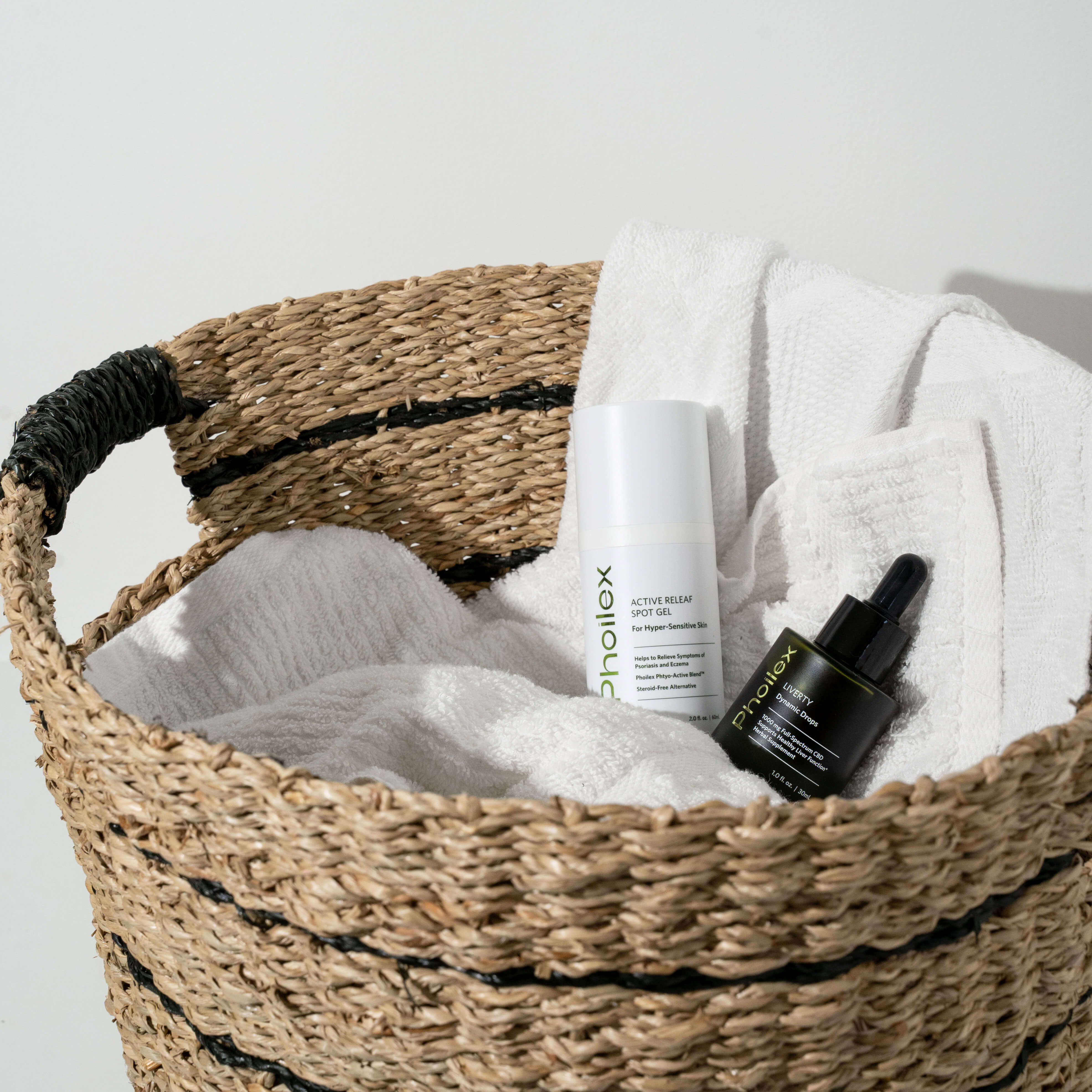
Psoriasis is a chronic, immune-mediated inflammatory skin condition affecting millions of people worldwide. Managing its unpredictable flares, scaling, and stubborn plaques is often a lifelong jour...
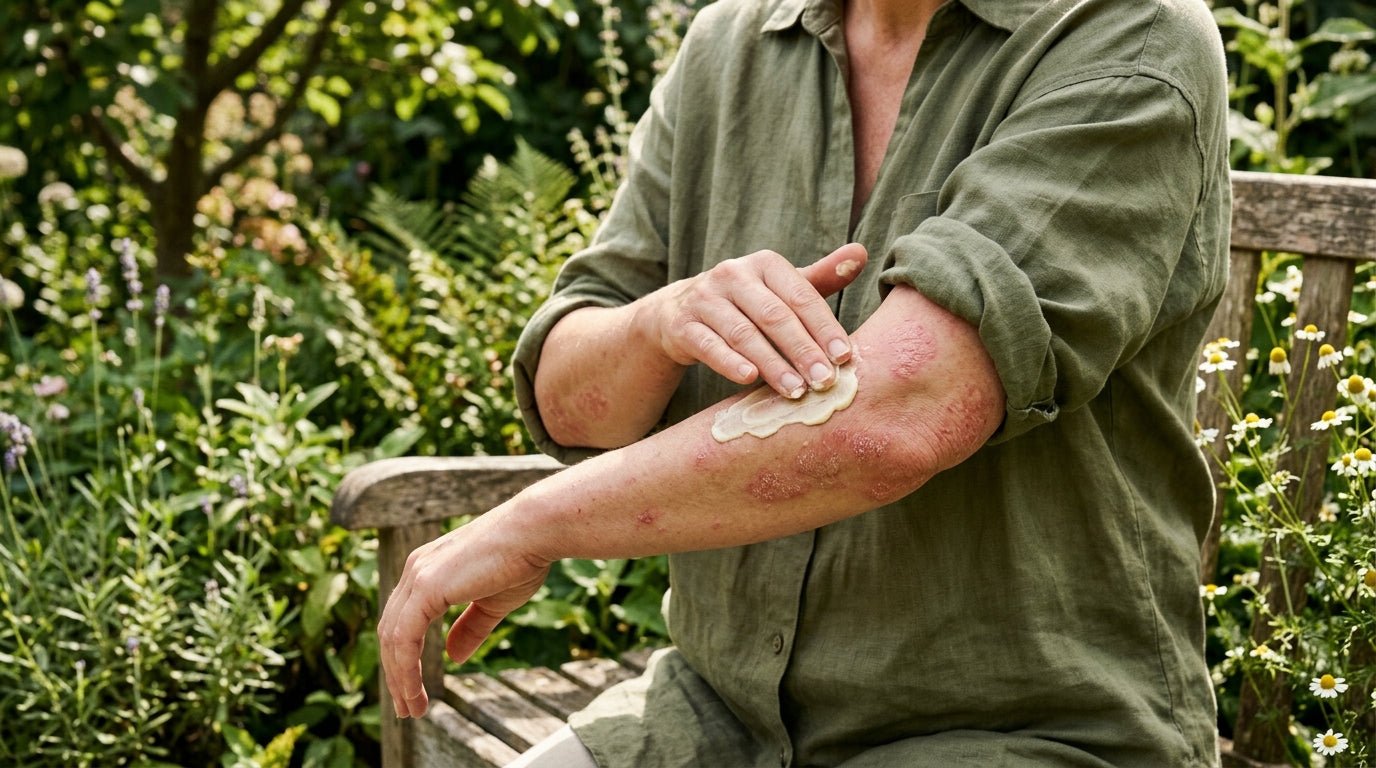
Pruritus, the medical term for the intense, relentless itch that accompanies psoriasis, is often described by patients as the single most debilitating symptom of the condition. It is a deep-seated,...