


Why Your Moisturizer Stops Working in Winter and What to Do
If your favorite moisturizer used to leave your skin soft and dewy but now, every winter, you’re tight, flaky, and stingy again it’s not your imagination. Winter quietly changes the rules: humidity drops, indoor heating ramps up transepidermal water loss (TEWL), and a slightly stressed skin barrier can tip into full on “nothing works anymore.” Harvard Health notes that winter’s low humidity and hot showers are prime drivers of stubborn dryness, even when you’re moisturizing “like you always do.”
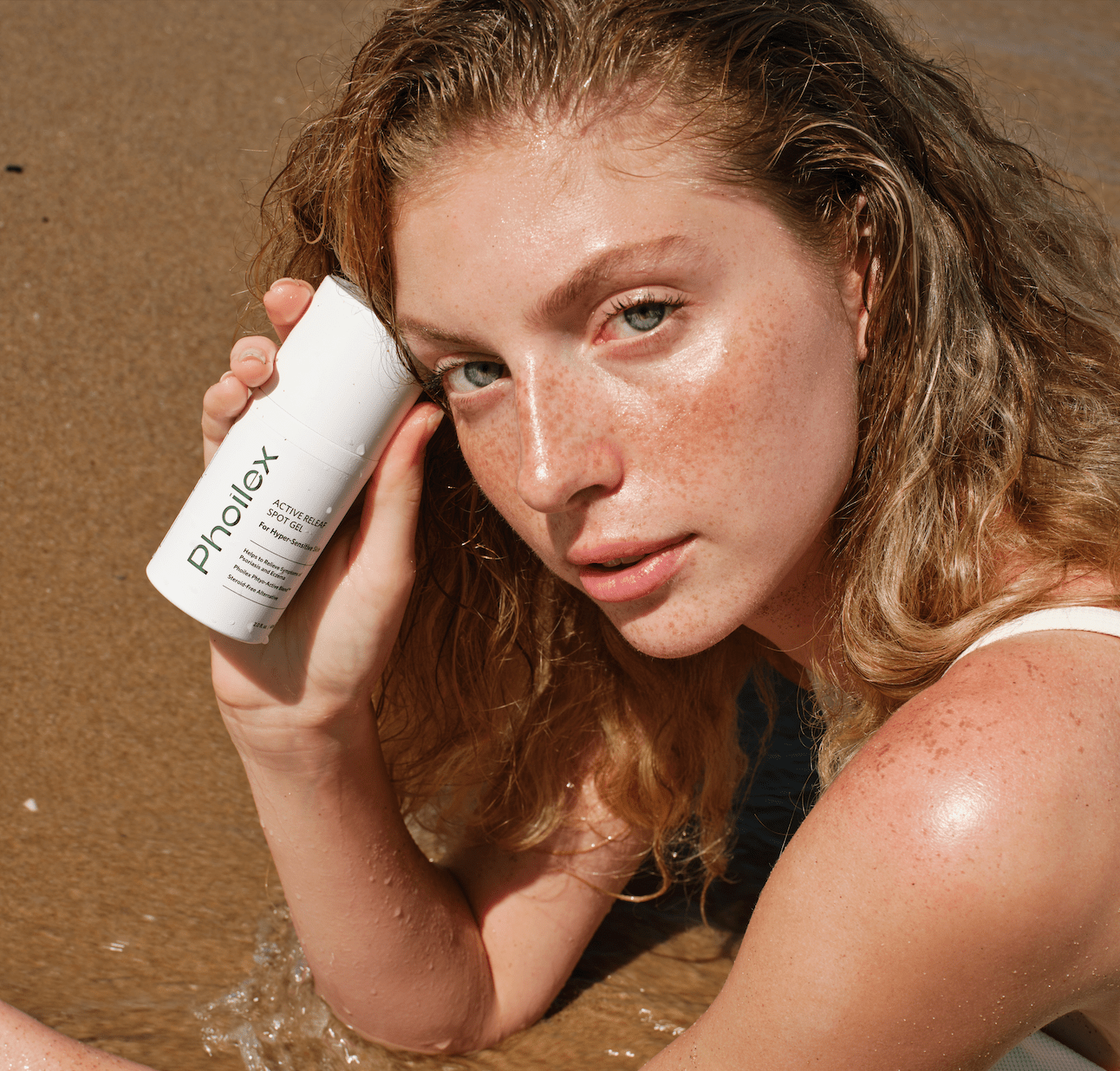
The good news? Your moisturizer hasn’t betrayed you it just needs backup: the right texture, the right timing, the right environment, and sometimes targeted barrier support like Phoilex’s Active Releaf Spot Gel and inside-out care from Liverty Dynamic Drops.
-
Winter increases water loss, not just dryness. Low humidity and indoor heat create a steeper gradient for water to escape from your skin, so TEWL goes up and even good moisturizers feel weaker.
-
Light lotions aren’t built for polar conditions. Lotions that felt perfect in spring often can’t keep up with winter’s TEWL; thicker creams and ointments perform better.
-
Application habits matter more in winter. Moisturizer applied on dry skin, after long hot showers, or only once a day will underperform when the air is very dry.
-
Your barrier may actually be damaged. If products sting and skin looks rough, red, or scaly, that’s often a barrier breakdown problem not a “bad moisturizer problem.
Why Moisturizer “Stops Working” in Winter
In summer, your moisturizer is working in a friendly environment: warmer, more humid air, less heating, fewer temperature swings. In winter:
-
Cold outdoor air holds less moisture → humidity drops.
-
Indoor heating dries the air even more and increases TEWL.
-
Temperature swings (door to street, street to office) stress blood vessels and the barrier, making skin feel tight and reactive.
Transepidermal water loss (TEWL) is the invisible flow of water from inside your skin into the air. In winter, that flow speeds up. If TEWL outpaces what your moisturizer can lock in, you get:
-
Tightness within minutes of applying
-
Flakes or “powdery” dryness under makeup
-
Burning or stinging when you try to apply more
TEWL is the rate at which water escapes through your skin barrier (stratum corneum) it’s literally a way scientists measure how intact your barrier is.
Winter doesn’t “break” your moisturizer; it changes the math so that your old routine no longer covers the gap.
If you want the deeper science of how barrier function and inflammation interact, Phoilex’s Strengthen Your Skin Barrier Naturally: 6 Proven Steps is a great companion read.
Is It Really Your Moisturizer or Your Barrier?
Before blaming the bottle, check what your skin is actually telling you.
Signs Your Moisturizer Is Too Weak for Winter
-
Skin feels tight again within 10 20 minutes of applying
-
You’re reapplying all day with only short-term relief
-
Makeup clings to patches or looks chalky
-
Hands, shins, or cheeks look dull and “thirsty” despite frequent moisturizing
-
Face stings when you go outside in the wind
Signs the Barrier Itself Is Compromised
-
Burning or stinging with products that didn’t hurt in summer
-
Redness, rough texture, or “crepey” surface wrinkles from dehydration.
-
Flare-ups of eczema, psoriasis, or rosacea
-
Cracks, micro fissures, or eczema patches that itch like crazy at night
When the barrier is damaged, you don’t just need “more moisture” you need barrier repair and inflammation control, which is exactly the philosophy behind Phoilex’s Active Releaf Spot Gel and Releaf and Recover Set.
Dry vs. Dehydrated vs. Inflamed: What is Your Skin Really Asking For?
Not all "my moisturizer isn't working" problems are the same. Your winter solution must align with the specific issue your skin is facing:
1) Dry skin means "not" enough oil.
- Signs: Feels rough, may flake, often a long-term issue.
- Need: To replenish the lipid barrier with richer emollients and occlusives (sealants).
- Phoilex Solution: Barrier-compatible, nourishing oils. For example, the chosen botanical oils in Active Releaf Spot Gel like Sunflower Seed Oil, Grape Seed Oil, and Emu Oil provide a gentle seal to slow water loss and soften rough patches.
2) Dehydrated skin means "not" enough water.
-
Signs: Looks dull, shows fine "crinkle" lines when you smile or pinch the skin.
-
Need: Humectants (like Glycerin) to pull water into the skin, followed by an occlusive layer to trap it. Plus, supporting hydration internally.
-
Phoilex Solution: Apply a cream onto damp skin first, and then use a barrier-supportive treatment like Active Releaf Spot Gel to seal the moisture in.
3) Inflamed/reactive skin is lack of barrier and immune issue.
-
Signs: Redness, itching, burning/stinging, rough or scaly patches, product reactivity.
-
Need: Not generic moisture, but barrier repair and inflammation control (anti-inflammatory care).
-
Phoilex Solution: This is Phoilex's core focus: The Active Releaf Spot Gel targets flare areas with Ceramides (building blocks for barrier repair), Colloidal Oatmeal (for itch and redness). For internal support, manage stress and inflammation from within using Liverty Dynamic Drops.
Your winter fix needs to match which of those three buckets you’re actually in.
Three Scientific Reasons Your Moisturizer Fails in Winter
1) The Texture Is Wrong for the Season
Biggest winter mistake? Using a light summer lotion when your skin is screaming for an ointment or thick cream.
Dermatologists are very consistent here:
-
Ointments and creams are better than lotions for dry winter skin
- The thicker and greasier a product, the better it tends to be at locking in water.
Moisturizer types at a glance:
| Type | Water/Oil Balance | How It Behaves in Winter |
|---|---|---|
| Lotion | Higher water, lighter oils | Comfortable but often not enough for dry climates |
| Cream | Balanced water and oil | Good everyday winter base for most skin |
| Ointment/balm | Very high oil/occlusive | Best for very dry, cracked, eczema-prone zones |
If your routine is all lotion and gel cream, your skin may simply not be getting enough occlusion to slow down TEWL in dry air.
2) You’re Moisturizing at the Wrong Time
Moisturizer works best when it traps water already in the skin that’s why eczema organizations stress moisturizing:
-
Within 3 minutes of bathing
-
Right after handwashing
-
Whenever skin starts to feel itchy or tight
Moisturizing on bone dry skin is trying to fill a leaky bucket from the outside.
Moisturizing on damp skin is sealing in water before it escapes.
National Eczema Association calls this “soak and seal” or “soak and smear” and considers it foundational care for dry, eczema-prone skin especially in winter.
How to Make Your Moisturizer Work Again: A Winter
Step 1: Switch to a Barrier-First Mindset
Instead of “How do I add more moisture?” ask, “How do I stop losing so much?”
Barrier first moves:
-
Swap harsh, foaming cleansers for gentle, fragrance-free formulas.
-
Favor creams & ointments labelled for sensitive or eczema-prone skin over light lotions.
-
Cut back on exfoliation if you’re flaking or stinging.
Phoilex’s Strengthen Your Skin Barrier Naturally: 6 Proven Steps walks through this philosophy in detail.
Step 2: Upgrade Texture Without Throwing Everything Out
If you love your current moisturizer, you don't have to toss it out, you just need to reinforce it:
-
Use your favorite moisturizer as your middle layer on damp skin.
-
Add a thin layer of a richer cream or an ointment/balm-like product over the top at night, especially on driest zones like cheeks, hands, and shins.
-
Look for ingredients that support Barrier Repair and Occlusion (sealing).
This is Where Targeted Treatments Fit In:
-
-
Keep your base moisturizer.
-
Then, use Active Releaf Spot Gel over flare-prone, itchy, or red patches. This product adds anti-inflammatory actives like Ceramides (the barrier's building blocks), Colloidal Oatmeal (for itch relief), and Phoilex's rich oils (Sunflower, Grape Seed, Emu Oil) directly onto basic hydration to fortify the most vulnerable areas.
-
Step 3: Fix Your Environment So Your Moisturizer Has a Chance
Environment upgrades that dermatologists and eczema organizations call out again and again:
-
Humidifier in the bedroom or main living space to keep humidity >30%
-
Don’t sit pressed up against radiators or heaters; warm the room instead.
-
Rotate to softer fabrics instead of scratchy wool directly on skin.
-
Wear gloves for cleaning and dishwashing to protect hands.
Combined with moisturizing on damp skin, these changes can dramatically reduce how “thirsty” you feel even with the same cream.
For a full routine example, see Morning and Night: The Best Routine for Sensitive Skin, which shows how to structure gentle, barrier safe steps.
Step 4: Simplify Irritants and High-Octane Actives
Winter is not the time to:
-
Layer strong acids, high percentage retinoids, and multiple exfoliants on already dry skin.
-
Experiment with lots of fragranced products or essential-oil-heavy formulas.
The Phoilex post Anti-Inflammatory Skin Care: Natural Solutions for Skin Calm lays out a clear “active vs avoid” list for inflammation prone skin.
Think: fewer steps, smarter ingredients, more repetition.
Step 5: Add Internal Support for “Moisturizer Resistant” Flares
If you’re doing all the right topical things and your skin still feels inflamed, it’s often a gut liver mind story as much as a moisturizer problem. Research on the gut skin and gut liver skin connection shows strong links between internal inflammation and chronic skin issues.
This is where Phoilex’s under & over approach fits:
-
Under:
-
Liverty Dynamic Drops are an alcohol free tincture formulated to target nervous-system and liver linked inflammation that often sits under eczema and psoriasis
-
-
Over:
-
Active Releaf Spot Gel supports the barrier at the flare site with grape seed based, colloidal oatmeal, ceramides, and soothing oils, as detailed in Choosing the Best Steroid-Free Eczema Cream for You
-
-
Bundle:
-
The Releaf and Recover Set combines both into one routine for people who want to support skin inside and out, echoing the guidance in Anti-Inflammatory Skin Care: Natural Solutions for Skin Calm
-
You still need your everyday moisturizer but now it’s working alongside a system that reduces the inflammatory “static” your skin has to fight in winter.
Conclusion
Winter didn’t suddenly turn your moisturizer into a bad product it just changed the rules your skin is playing by. Cold, dry air and indoor heating ramp up water loss, fragile barriers start to leak, and a light summer lotion simply can’t keep up on its own. When you shift from a “more cream” mindset to a barrier first, winter mode routine gentler cleansing, richer textures, smart timing on damp skin, plus small environmental tweaks your existing products start working for you again instead of disappearing into the dryness.
If your skin is still itchy, red, or flare prone even after that upgrade, it’s a sign you’re dealing with inflammation, not just dryness. That’s where layering in anti inflammatory, barrier-focused care like Active Releaf Spot Gel over your regular moisturizer, and supporting your gut liver mind axis from within with Liverty Dynamic Drops or the full Releaf and Recover Set can help close the loop between inside and outside.
Bottom line: your winter skin isn’t asking for an endless pile of random creams it’s asking for better timing, better textures, calmer inflammation, and a smarter routine designed for the season you’re actually in.
Read more
Ringworm is a common fungal skin infection that causes circular, itchy, red patches on the skin. Although the name sounds alarming, it is not caused by a worm. It develops when dermatophyte fungi i...

A holistic, long term skin plan means supporting your gut, liver, and nervous system with steady habits food, sleep, stress tools, and smart “under & over” care so your skin isn’t constantly fi...