

Plant-Based Eczema Care 2026 - Evidence, Safety, and Risks
The search for relief from the persistent itch and inflammation of eczema often leads people toward the botanical world. As of 2026, the shift toward plant-based skincare has evolved from a niche trend into a scientifically rigorous field. However, navigating the world of natural remedies for atopic dermatitis requires more than just an interest in "clean" ingredients. It requires a deep understanding of skin barrier function, potential allergens, and the clinical evidence supporting various plant oils.
For those living with eczema, the skin barrier is inherently compromised. This means that while certain botanical extracts can offer profound healing, others can trigger severe contact dermatitis or systemic allergic reactions. This comprehensive guide explores the current evidence for plant-based eczema treatments, the risks associated with natural skincare, and how to build a dermatology-informed routine using the best that nature has to offer.
The Science of the Skin Barrier and Plant Oils
At its core, eczema is a condition of barrier dysfunction. The skin lacks the necessary lipids, particularly ceramides, to lock in moisture and keep irritants out. Plant oils are often sought out because they contain fatty acids that mimic the skin’s natural sebum. However, not all plant oils are created equal. The ratio of oleic acid to linoleic acid in an oil determines whether it will heal the skin or harm it.
Oils high in linoleic acid, such as sunflower seed oil and safflower oil, have been shown in clinical trials to improve barrier function and stimulate the body’s own ceramide production. Conversely, oils high in oleic acid, like olive oil, can actually disrupt the skin barrier and increase water loss in those with sensitive skin. According to the National Eczema Association, choosing the right topical oils is crucial because the wrong choice can exacerbate inflammation rather than soothing it.
Sunflower Seed Oil and Barrier Repair
Sunflower seed oil remains one of the most researched botanical treatments for eczema. It acts as an agonist for the PPAR-alpha receptor, which is involved in skin cells' differentiation and lipid synthesis. In recent studies from 2025, patients using pharmaceutical-grade sunflower seed oil showed a significant reduction in the severity of their flares compared to those using standard petroleum-based emollients, largely due to its high linoleic acid content.
Coconut Oil and Antimicrobial Benefits
Virgin coconut oil is another staple in the plant-based routine. It is unique because it contains lauric acid, a fatty acid with proven antimicrobial properties. Since the skin of eczema patients is often colonized by Staphylococcus aureus, which can lead to infections and worsen flares, the antibacterial effect of coconut oil can be a powerful tool. It serves as both a humectant and an occlusive, sealing in moisture while reducing the bacterial load on the skin surface.
Understanding the Risks of Natural Skincare
The "natural" label does not automatically equate to "safe," especially for a person with a hyper-reactive immune system. One of the most significant risks in botanical skincare is the presence of volatile organic compounds found in essential oils. While lavender or chamomile might sound soothing, they contain complex chemical profiles that frequently act as sensitizers.
The Danger of Essential Oils
Dermatology guidelines in 2026 continue to warn against the use of undiluted or high-concentration essential oils for eczema patients. Linalool and limonene, common components in citrus and floral oils, are among the most frequent causes of allergic contact dermatitis. When these oils oxidize, their allergenic potential increases. For a person with an already broken skin barrier, these molecules can penetrate deep into the dermis, triggering a T-cell mediated immune response that can take weeks to resolve.
Contamination and Lack of Standardization
Unlike synthetic ingredients which are manufactured in controlled lab environments, plant extracts can vary significantly based on soil quality, harvest time, and extraction methods. There is also the risk of cross-contamination with common allergens like soy, nuts, or gluten during processing. It is vital for consumers to look for brands that provide third-party testing and follow Good Manufacturing Practices (GMP) to ensure the purity of their botanical ingredients.
Evidence-Based Botanical Ingredients for 2026
Beyond simple oils, several other plant-derived compounds have gained traction in the dermatological community for their efficacy in managing dermatitis.
- Colloidal Oatmeal: A long-standing FDA-approved skin protectant. It contains avenanthramides, which are potent antioxidant and anti-inflammatory agents that specifically target the itch signal in the skin.
- Licorice Root (Glycyrrhiza glabra): Contains glycyrrhizin, which has a steroid-like effect without the side effects of topical corticosteroids. It helps reduce redness and swelling.
- Quercetin: A plant flavonol found in many fruits and vegetables. When applied topically in stabilized formulations, it acts as a natural mast cell stabilizer, preventing the release of histamine.
- St. John’s Wort: While primarily known for internal use, topical preparations have shown promise in reducing the SCORAD (Scoring Atopic Dermatitis) index due to its antibacterial and anti-inflammatory properties.
| Ingredient | Primary Benefit | Evidence Level | Risk Factor |
|---|---|---|---|
| Sunflower Seed Oil | Barrier Repair / Lipid Synthesis | High | Low (if cold-pressed) |
| Virgin Coconut Oil | Antimicrobial / Hydration | High | Comedogenic for some |
| Colloidal Oatmeal | Anti-itch / Soothing | High (FDA Approved) | Low |
| Essential Oils | Scent / Minor Antiseptic | Low / Anecdotal | High (Allergy Risk) |
| Olive Oil | Moisturization | Moderate | High (Barrier Damage) |
Dermatology Guidance: Integrating Plants into Your Routine
When transitioning to a plant-based routine, dermatology experts suggest a cautious and systematic approach. The goal is to support the skin without overwhelming it with too many new botanical molecules at once.
The Importance of Patch Testing
Before applying any new natural product to an eczematous area, a patch test is mandatory. Apply a small amount of the product to the inside of the forearm twice daily for seven days. If no reaction occurs, it is likely safe for use on larger areas. This is particularly important for products containing plant extracts, as the American Academy of Dermatology notes that botanical allergies are on the rise due to the increased use of these ingredients in consumer goods.
The "Soak and Seal" Method with a Botanical Twist
The gold standard for eczema hydration is the "soak and seal" method. This involves bathing in lukewarm water for 10 to 15 minutes, gently patting the skin dry, and immediately applying a moisturizer. To integrate plant-based care, one might use a colloidal oatmeal bath soak followed by a high-linoleic oil or a botanical balm. This traps the water in the skin and provides the lipids necessary for barrier repair.
Things to Consider Before Going Fully Natural
While the appeal of an all-natural lifestyle is strong, eczema is a complex medical condition that sometimes requires medical intervention.
- Severity of the Condition: Mild to moderate eczema often responds well to botanical routines. However, severe, weeping, or infected eczema usually requires prescription treatments like topical JAK inhibitors or biologics.
- Known Allergies: If you have hay fever or asthma, you are more likely to have cross-reactivity with certain plants. For example, those allergic to ragweed may react to chamomile or calendula.
- Preservative Systems: Natural products still need preservatives to prevent mold and bacterial growth. Some "natural" preservatives can be just as irritating as synthetic ones. Look for products that use well-tolerated systems or airless packaging.
- pH Balance: The skin’s natural pH is slightly acidic (around 4.5 to 5.5). Many natural soaps or "handmade" plant bars are highly alkaline, which can destroy the acid mantle and worsen eczema. Ensure all plant-based cleansers are pH-balanced.
For more detailed clinical data on the efficacy of specific fatty acids in skin repair, the Journal of Investigative Dermatology provides peer-reviewed research that highlights how botanical lipids interact with human skin cells at a molecular level.
The Future of Plant-Based Eczema Care
As we move further into 2026, the technology behind botanical skincare continues to advance. We are seeing the rise of "biotech botanicals," where specific healing compounds are isolated from plants using fermentation or green chemistry. This allows for the benefits of plants without the irritants typically found in crude extracts.
Furthermore, the integration of microbiome-friendly plant ingredients is a major focus. Ingredients like chicory root inulin or alpha-glucan oligosaccharides are being added to plant-based balms to feed the beneficial bacteria on the skin, creating a diverse ecosystem that can naturally crowd out the pathogens that cause eczema flares.
Managing eczema with plant-based solutions is a journey of trial and error, guided by science. By prioritizing high-linoleic oils, avoiding common sensitizers like essential oils, and maintaining a close relationship with a dermatologist, it is possible to achieve clear, comfortable skin using the power of nature.
Frequently Asked Questions
Can I replace my prescription steroid cream with plant oils?
No, plant oils should not be used as a direct replacement for prescription treatments during an acute flare-up. While oils like sunflower seed oil help maintain the barrier and prevent future flares, they do not have the same rapid anti-inflammatory power as corticosteroids. Always consult your dermatologist before changing your prescribed medication regimen.
Is "organic" always better for eczema?
Not necessarily. While organic labeling ensures the absence of certain pesticides, it does not guarantee that the plant itself isn't an allergen. A certified organic essential oil is just as likely to cause an allergic reaction as a non-organic one. Focus on the specific ingredient profile and its suitability for sensitive skin rather than just the organic certification.
Which plant oil is best for extremely dry, cracked skin?
For extremely dry skin, a combination of virgin coconut oil and shea butter is often highly effective. Coconut oil provides antimicrobial benefits and deep hydration, while shea butter offers a thick, occlusive layer that protects cracked skin from environmental irritants. Ensure any product used on cracked skin is free from fragrances and alcohols.
Are there any plants I should strictly avoid with eczema?
Common irritants in the botanical world include citrus oils (lemon, lime, bergamot), mint oils (peppermint, menthol), and certain floral extracts like ylang-ylang. Additionally, if you have a known allergy to the Asteraceae family (daisies, marigolds), you should avoid calendula and chamomile, as they may cause a cross-reactive allergic response.
Important Disclaimer: This content is for informational purposes only and does not constitute, and is not a substitute for, medical advice, diagnosis or treatment. Always seek the advice of a physician or qualified healthcare provider for diagnosis, treatment, medical advice or questions regarding a medical condition. In addition, be sure to follow all product specific instructions and professional recommendations.
Read more
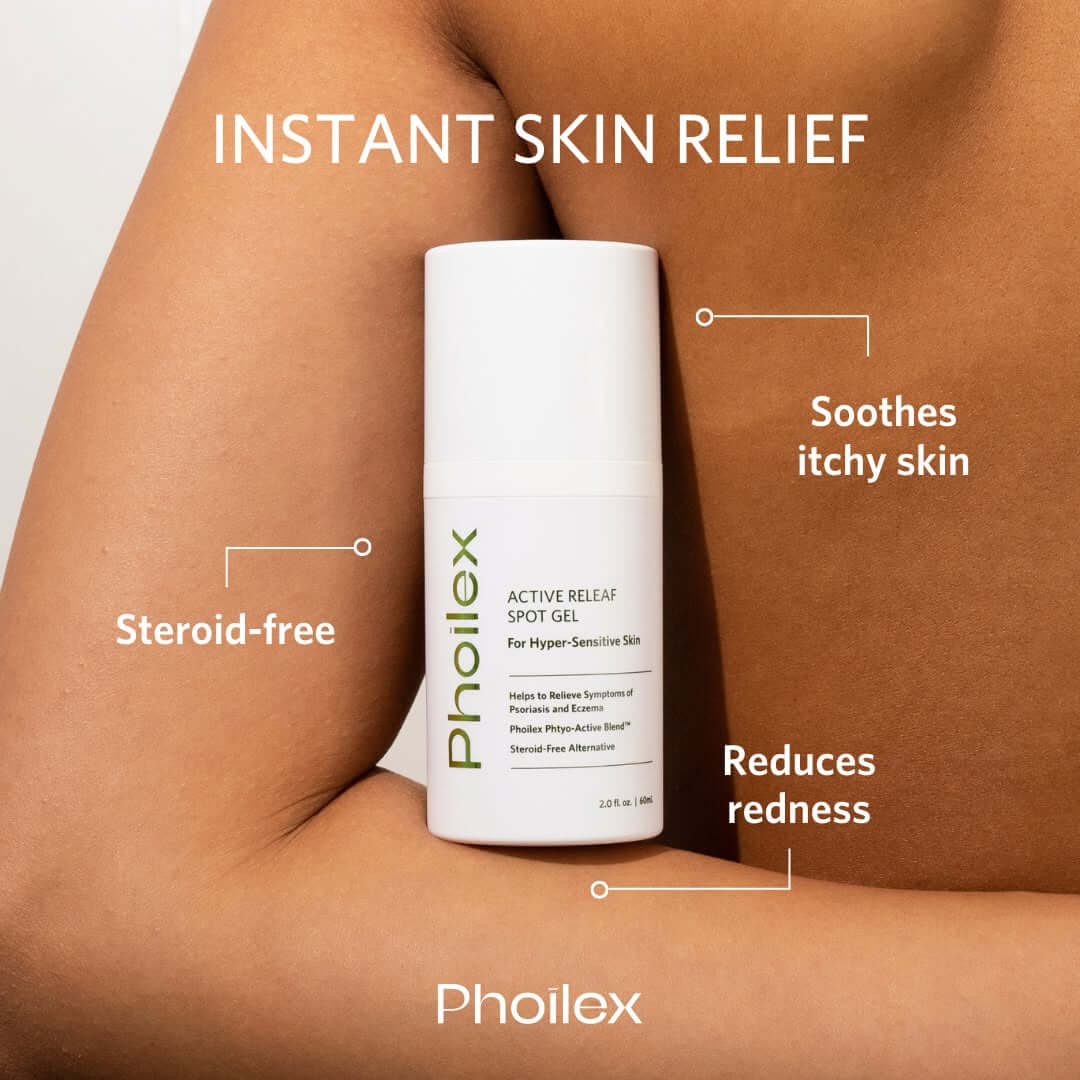
Managing psoriasis requires a delicate balance between soothing irritated skin and addressing the underlying biological triggers of plaque formation. For years, the market was dominated by heavy st...
The human skin barrier is a complex biological shield that preserves hydration and wards off environmental pathogens. When this barrier is compromised, the result is often chronic inflammation,...