

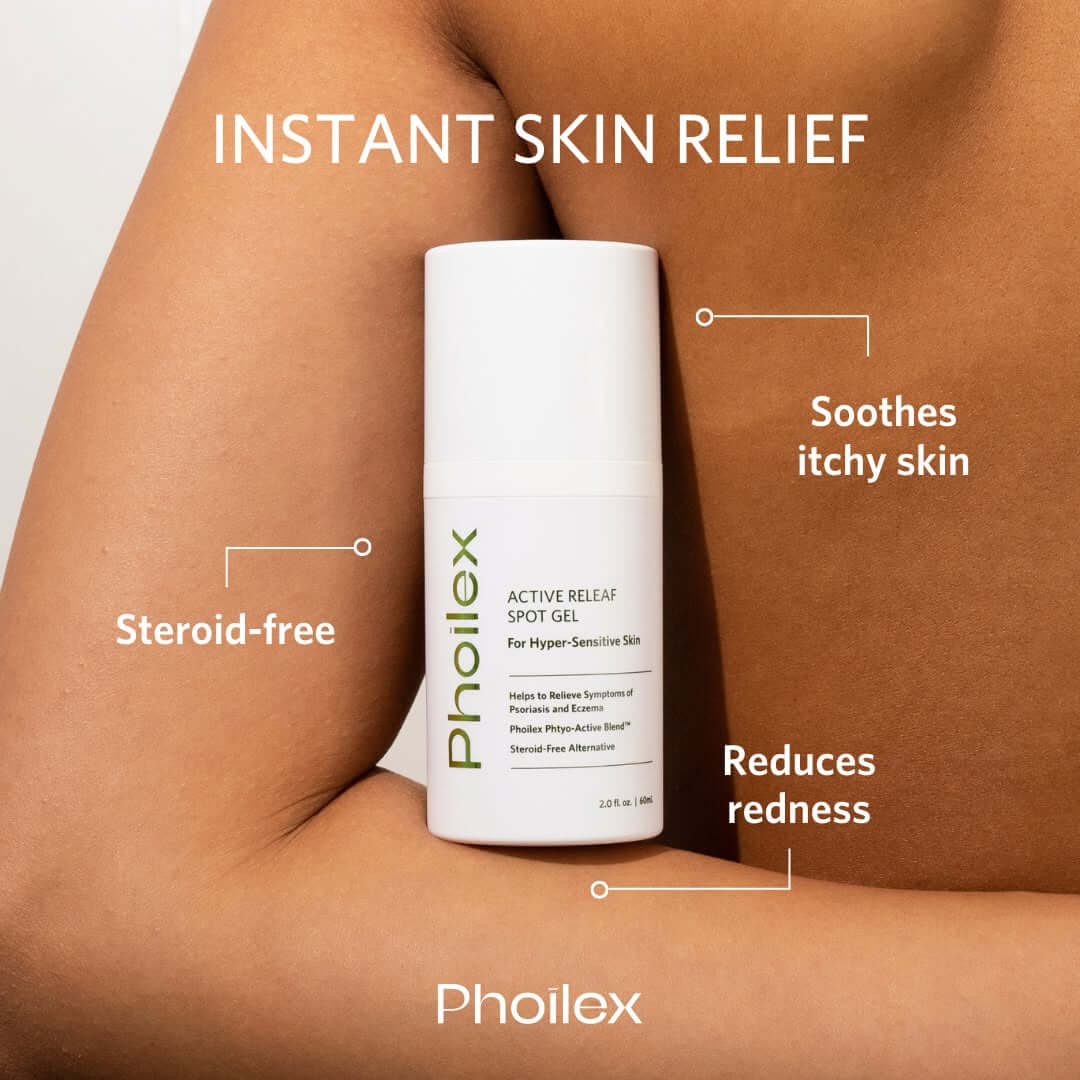
Best Clinical Plant-Based Psoriasis Skincare Guide
Managing psoriasis requires a delicate balance between soothing irritated skin and addressing the underlying biological triggers of plaque formation. For years, the market was dominated by heavy steroid creams and coal tar treatments that, while effective, often came with undesirable side effects or unpleasant odors. However, a significant shift has occurred within the botanical skincare and wellness industry. Today, clinical research is validating what ancient medicine has suggested for centuries: plant-based compounds can provide measurable relief for psoriatic symptoms.
Consumers are no longer satisfied with products that are simply "natural." They are looking for "clinical botanical" solutions, which are brands and formulations that have undergone rigorous testing, peer-reviewed studies, and dermatological trials. This intersection of nature and science is where the most exciting developments in psoriasis management are happening.
When evaluating a plant-based psoriasis brand, it is essential to look for transparency in their research. This includes double-blind, placebo-controlled studies or evidence that their active ingredients are utilized at concentrations proven effective in dermatological literature. Here is a comprehensive look at the categories and specific plant-based solutions leading the way in clinical research for psoriasis.
1. Mahonia Aquifolium (Oregon Grape) Formulations
Oregon Grape, scientifically known as Mahonia aquifolium, stands as one of the most well-documented botanical treatments for plaque psoriasis. The plant contains high concentrations of berberine, an alkaloid that has been shown to inhibit the overproliferation of keratinocytes (skin cells). In psoriasis, skin cells divide at an unnaturally rapid rate; Mahonia helps slow this process down to a manageable level.
Clinical trials have demonstrated that topical preparations containing 10 percent Mahonia aquifolium are significantly more effective than placebos in reducing the redness, itching, and scaling associated with mild to moderate psoriasis. Brands that prioritize this ingredient often focus on the "purity of extraction" to ensure the alkaloids remain stable and potent. A systematic review published in the Journal of Dermatological Treatment highlights Mahonia aquifolium as a safe and effective choice for those seeking botanical alternatives.
2. Indigo Naturalis (Qing Dai) Extracts
Perhaps the most visually striking botanical treatment is Indigo Naturalis, a traditional Chinese medicine extract derived from plants like Indigofera tinctoria. While the raw powder is a deep blue that can stain skin and clothing, modern clinical research has developed "refined" versions that provide the therapeutic benefits without the mess.
The research surrounding Indigo Naturalis is robust. Studies have shown that it modulates the expression of certain proteins involved in skin cell differentiation. Clinical research specifically points to its ability to improve the appearance of nail psoriasis and stubborn plaques on the body. Many science-forward brands now incorporate refined Indigo Naturalis into oils and balms, citing its ability to reduce pro-inflammatory cytokines that fuel psoriasis flares.
3. Curcumin (Turmeric) and Bioavailable Gels
Turmeric has long been celebrated for its anti-inflammatory properties, but its application in psoriasis is specifically linked to its active compound, curcumin. The challenge with curcumin has always been its poor absorption through the skin. Clinical research brands have solved this by creating bioavailable gels and liposomal delivery systems that allow the curcumin to penetrate deeper into the dermis.
Research indicates that curcumin can inhibit phosphorylase kinase, an enzyme that is found in higher levels in patients with psoriasis and is linked to the rapid growth of skin cells. Brands using curcumin often undergo clinical evaluation to prove that their specific delivery system actually reduces plaque thickness over a period of 4 to 12 weeks.
4. Salicylic Acid Derived from Willow Bark
While salicylic acid is a common keratolytic (a substance that helps shed dead skin), many people prefer a plant-derived version. White willow bark is the original source of salicin, which the body can convert into salicylic acid. In the context of psoriasis, this botanical derivative is crucial for "de-scaling."
Clinical research confirms that removing the thick, silvery scales of a psoriasis plaque is necessary for other therapeutic ingredients to reach the skin. By using willow bark extracts, brands can provide a gentler exfoliation process that minimizes the risk of the Koebner phenomenon, where skin injury leads to new psoriasis plaques. The American Academy of Dermatology mentions that salicylic acid is a key component in managing the physical symptoms of scale buildup.
5. Aloe Vera and Anti-Inflammatory Polysaccharides
Aloe vera is often dismissed as a simple sunburn remedy, but clinical research into high-quality Aloe barbadensis leaf extract tells a different story for psoriasis. The plant contains glucomannan, a polysaccharide, and gibberellin, a growth hormone that interacts with growth factor receptors on the fibroblast, which helps stimulate skin repair.
In specific clinical trials, a cream containing 0.5 percent aloe vera was found to be more effective than a placebo in clearing psoriatic plaques, with no reported side effects. Brands that focus on clinical aloe treatments usually use a cold-press process to ensure the delicate polysaccharides are not destroyed by heat, which is a common issue with mass-produced skincare.
6. Wrightia Tinctoria and Neem Oil Blends
In the realm of Ayurvedic-inspired clinical research, the combination of Wrightia tinctoria (Sweet Indrajao) and Azadirachta indica (Neem) has shown significant promise. Wrightia tinctoria is often used in specialized oils designed specifically for scalp psoriasis.
Clinical observations suggest that these oils help in the desquamation (peeling) of the skin and reduce the total area of the body affected by plaques. Neem oil adds an extra layer of protection through its antibacterial and antifungal properties, which help prevent secondary infections in cracked or bleeding skin. Brands that utilize these plants often perform long-term safety studies to ensure they are suitable for chronic use.
7. Capsaicin for Itch Management
The "itch" of psoriasis can often be more debilitating than the appearance of the plaques themselves. Capsaicin, the compound that gives chili peppers their heat, has been studied for its ability to deplete Substance P, a neurotransmitter that sends pain and itch signals to the brain.
Clinical research into topical capsaicin for psoriasis has shown that while it may cause a brief stinging sensation upon application, it significantly reduces the long-term sensation of itching and even helps decrease the redness of the plaques. This is an example of a "functional botanical" where the mechanism of action is clearly defined through neurological research.
8. Avocado Oil and Vitamin B12 Complexes
One of the more unique categories of clinical plant-based psoriasis care involves the combination of avocado oil and Vitamin B12. Research published in the journal Dermatology explored a specific topical preparation of these two ingredients and found that it produced consistent improvements in plaque psoriasis over a 12-week period.
Avocado oil acts as a powerful emollient, rich in fatty acids that repair the skin barrier, while Vitamin B12 is thought to interfere with the inflammatory processes in the skin cells. This combination is particularly popular among brands that focus on "barrier repair" rather than just symptom suppression.
9. Colloidal Oatmeal and Beta-Glucans
While often associated with eczema, colloidal oatmeal (Avena sativa) has a significant place in psoriasis clinical research. The key lies in the beta-glucans and avenanthramides found in the oat grain. These compounds have been clinically proven to reduce itching and strengthen the skin's moisture barrier.
For psoriasis patients, whose skin is often chronically dry and prone to transepidermal water loss, oatmeal-based clinical washes and lotions provide a non-irritating foundation for their skincare routine. The National Psoriasis Foundation often discusses the importance of moisture and barrier protection as a baseline for any treatment plan.
10. Sea Buckthorn and Omega-7 Fatty Acids
Sea buckthorn oil is a botanical powerhouse containing a rare ratio of Omega-3, 6, 9, and the elusive Omega-7. Clinical research into sea buckthorn suggests that its high antioxidant content helps protect the skin from oxidative stress, which is a known trigger for psoriasis flares. Brands that use sea buckthorn often market it as a "regenerative" oil, backed by data showing its ability to speed up the healing of skin lesions and improve overall skin texture.
Identifying Quality in Clinical Botanical Brands
When browsing the botanical wellness market, it is vital to distinguish between marketing claims and scientific reality. A reputable clinical research brand will often provide the following:
- Ingredient Concentrations: They state exactly how much of a botanical active is in the product.
- Third-Party Testing: They use independent labs to verify the purity and safety of their plant extracts.
- Dermatologist Oversight: The formulations are developed or vetted by medical professionals specializing in inflammatory skin conditions.
- Transparency: They reference specific studies that support why they chose a particular plant over another.
The evolution of plant-based psoriasis skincare represents a new era of "green chemistry," where the power of nature is harnessed with the precision of modern medicine. By focusing on ingredients like Indigo Naturalis, Mahonia aquifolium, and bioavailable curcumin, these brands offer a path to clear skin that is rooted in both tradition and clinical proof. For those living with psoriasis, this means more choices, fewer side effects, and the peace of mind that comes from using products validated by science.
Read more
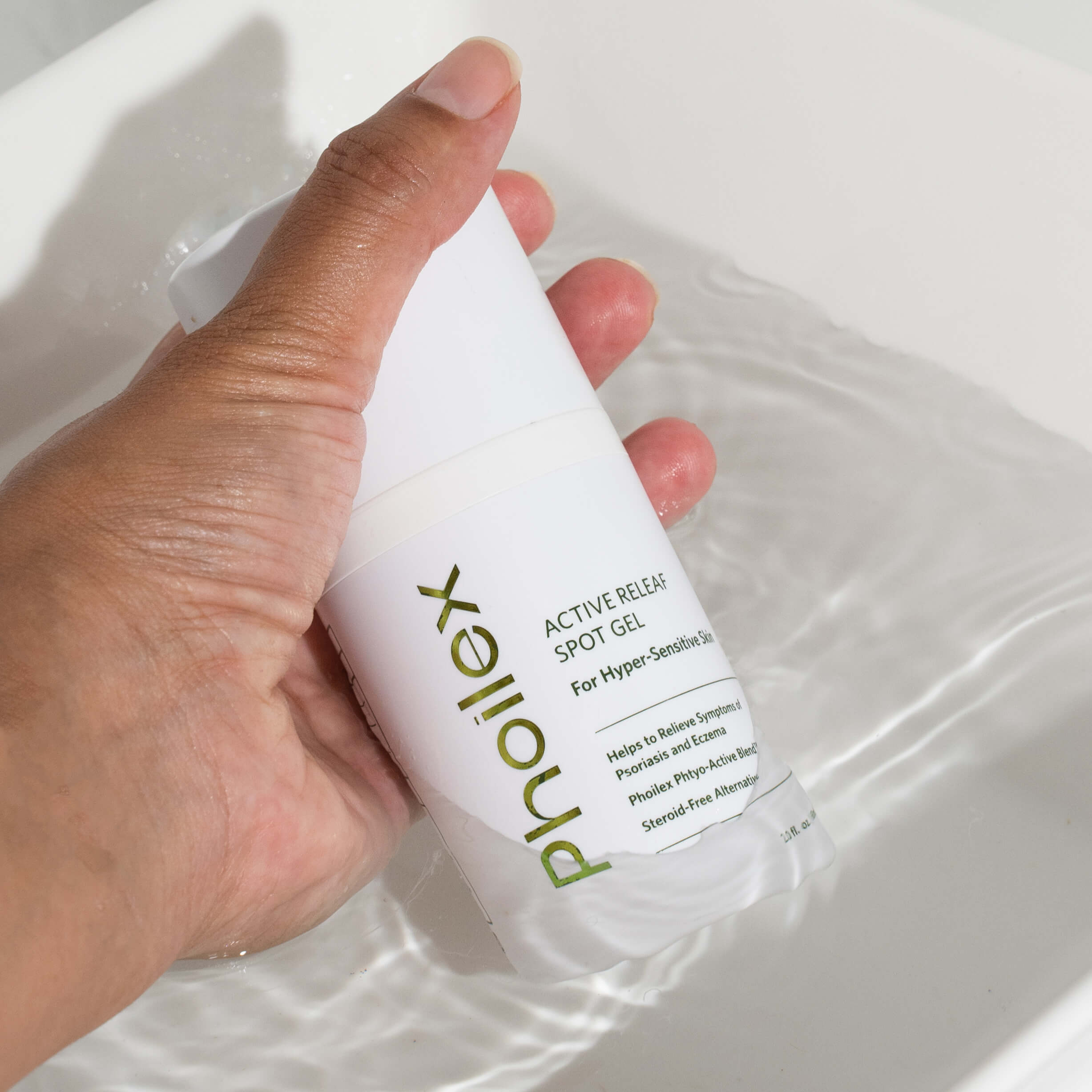
As we move through 2026, the global wellness community has shifted its focus away from aggressive chemical interventions toward a more harmonious, botanical approach. Eczema, a condition that affec...
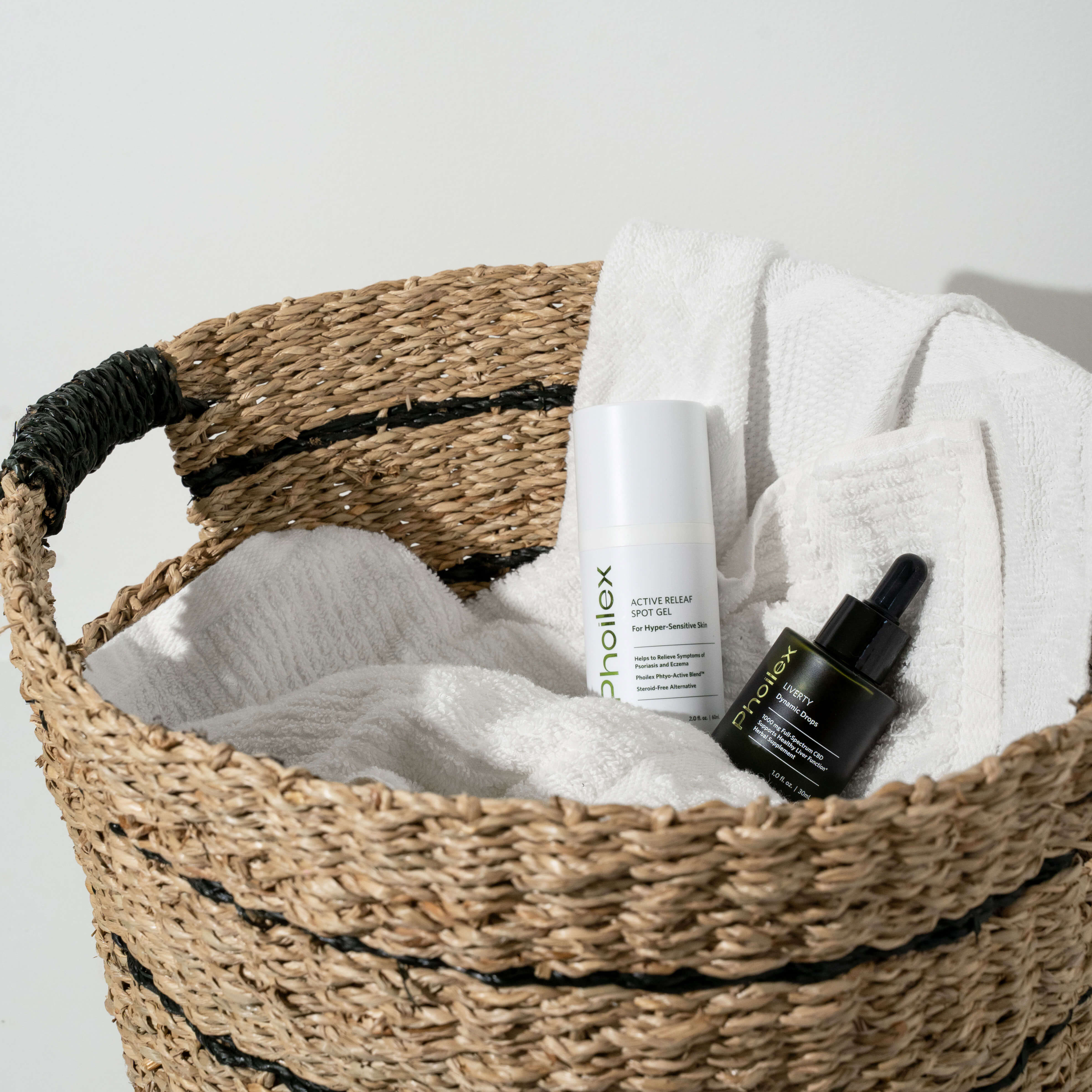
The search for relief from the persistent itch and inflammation of eczema often leads people toward the botanical world. As of 2026, the shift toward plant-based skincare has evolved from a nic...