

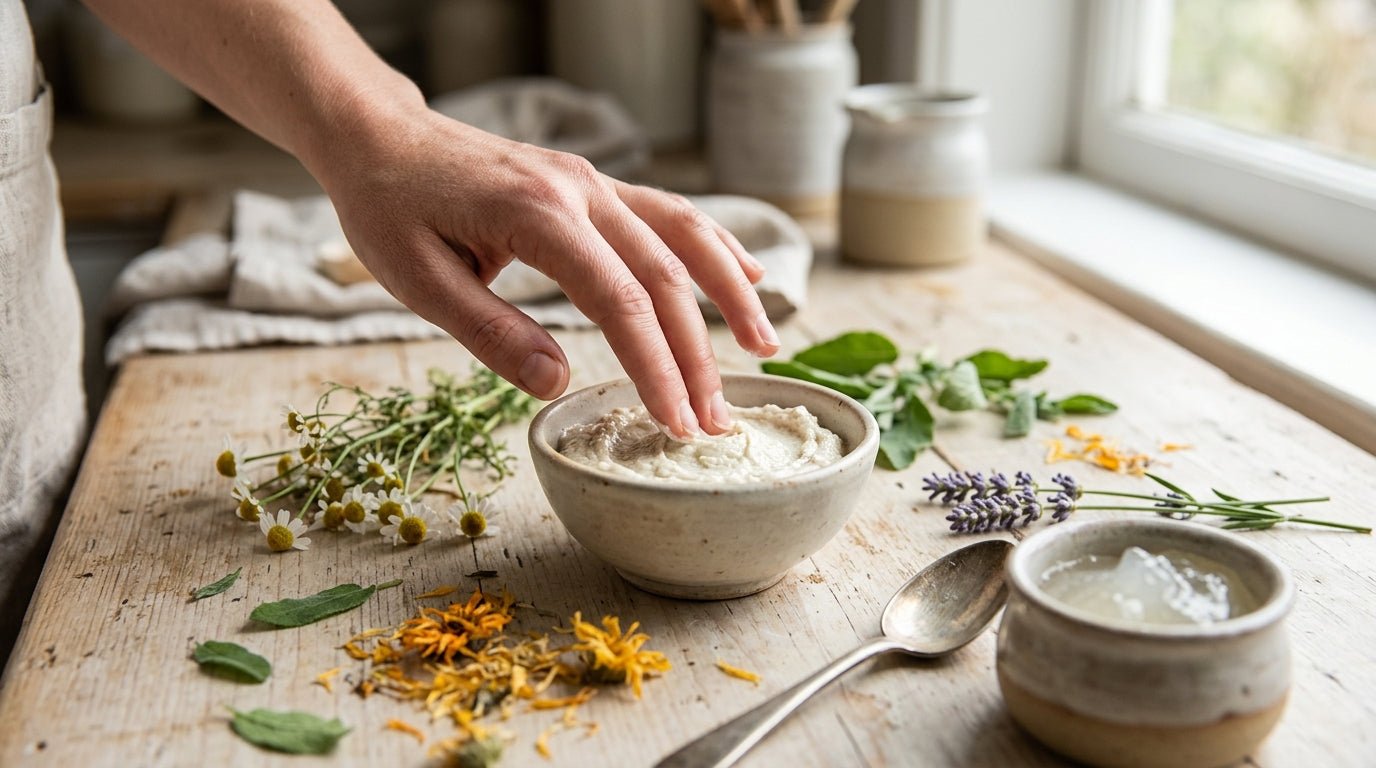
Botanical Creams vs Petrolatum for TSW Skincare Guide
Topical Steroid Withdrawal (TSW), which is also known as Red Skin Syndrome or Topical Steroid Addiction, is a challenging iatrogenic condition that can develop after discontinuing prolonged, frequent, or inappropriate use of moderate to high potency topical corticosteroids. For individuals going through TSW, the skin barrier is not just temporarily dry; it is profoundly structurally damaged, highly inflamed, and exceptionally reactive.
In the realm of dermatological recovery, a heated debate persists: should you protect your compromised skin using traditional, heavy petroleum jelly, or should you turn to premium botanical creams? To make an informed decision, it is essential to understand the science of skin recovery, the differences in how various emollients interact with a damaged skin barrier, and how to tailor your daily routine to your skin’s changing status.
The TSW Skin Recovery Timeline and How It Affects Healing
To manage TSW skincare effectively, you must first understand how this condition alters the natural healing timeline of your skin. Unlike typical eczema, which often presents in localized, predictable flares, TSW behaves as a systemic vascular and immunological rebound response.
According to clinical observations and research supported by the National Eczema Association, the recovery process for TSW is highly non-linear. The overall recovery timeline typically spans anywhere from 6 to 18 months, though severe cases involving years of high potency steroid misuse can take 2 to 5 years to fully resolve. Throughout this journey, the skin typically progresses through four distinct, overlapping phases:
Phase 1: The Acute Inflammatory and Vasodilatory Phase
This initial stage begins days to weeks after stopping topical steroids. The skin experience a massive rebound of nitric oxide levels, which causes blood vessels to dilate excessively. This leads to the classic red sleeves symptom, intense burning pain, deep swelling (edema), and weeping or oozing of serous fluid. The skin barrier at this point is virtually non-existent, leaving the body highly vulnerable to secondary infections.
Phase 2: The Shedding and Flaking Phase
As the acute weeping begins to dry, the skin enters a rapid, hyper-keratotic shedding cycle. The skin dries out to an extreme degree and peels off in large, dusty, white flakes. The skin underneath remains incredibly raw, red, and susceptible to cracking, making movement painful.
Phase 3: The Rebuilding and Hyper-reactive Phase
During this phase, the skin starts to look more structurally intact and begins to thicken. However, the newly formed stratum corneum is highly fragile and hyper-sensitive. Even minor environmental changes, stress, or a slightly heavy skincare product can trigger a localized, intense flare-up that can mimic Phase 1.
Phase 4: The Near-Normal Maintenance Phase
In the final stage, the skin returns to its baseline state, which may still include mild, manageable eczema. The skin barrier has largely restored its lipid matrix, thermoregulation is normalized, and the intense nerve-driven itching finally subsides.
Premium Botanical Creams vs. Drugstore Petrolatum: Occlusion and Barrier Restoration
When addressing TSW, the primary goal of moisturizing is to reduce transepidermal water loss (TEWL) and support the repair of the stratum corneum. However, petroleum jelly (petrolatum) and botanical creams achieve this through entirely different mechanisms.
The Science of Petrolatum (Petroleum Jelly)
Petrolatum is a highly purified, semi-solid mixture of hydrocarbons derived from crude oil. It is widely recognized in traditional dermatology as the gold standard for reducing TEWL, capable of blocking up to 98% of water evaporation from the skin surface.
However, petrolatum is completely inert. While it excels at creating a physical, impermeable shield over the skin, it does not actively repair the skin barrier. It does not penetrate the deeper layers of the stratum corneum, nor does it deliver structural lipids like ceramides, cholesterol, or free fatty acids.
For TSW patients, this heavy, synthetic occlusion can present significant drawbacks:
- Heat and Sweat Trapping: TSW skin suffers from severe thermal dysregulation and a constant burning sensation. Petrolatum's thick barrier traps metabolic heat and sweat, which can trigger intense, bone-deep itching and lead to occlusion-induced folliculitis.
- Microbiome Imbalance: By creating an oxygen-free, warm, damp environment, heavy petrolatum can encourage the overgrowth of opportunistic pathogens, particularly Staphylococcus aureus, which is already heavily colonized on TSW skin.
The Science of Premium Botanical Creams
Premium botanical creams are formulated with plant-derived lipids, natural oils, and botanical extracts that offer a semi-permeable barrier. Instead of completely sealing the skin, they allow the skin to breathe, release trapped heat, and thermoregulate, while still significantly reducing water loss.
Furthermore, select botanical oils do not just sit on top of the skin; they actively integrate into the lipid matrix. High-quality plant oils contain fatty acids, such as linoleic and gamma-linolenic acids, that are essential components of the skin's natural moisture barrier. Over a 6-hour period, premium botanical creams can provide a skin-occlusion performance comparable to petrolatum, while actively delivering the structural building blocks and anti-inflammatory compounds needed to accelerate cellular repair.
Beneficial Ingredients in Premium Creams vs. Ingredients to Avoid
When selecting a premium cream for TSW recovery, reading the ingredient label is critical. Some botanical and synthetic ingredients provide profound relief, while others can trigger severe contact dermatitis on a vulnerable TSW barrier.
Botanical and Active Ingredients to Look For
To support TSW skin, look for premium creams containing these evidence-backed, soothing, and lipid-replenishing ingredients:
- Squalane: Derived from olives, squalane mimics the skin’s natural sebum. It is incredibly stable, highly emollient, and deeply nourishing without feeling heavy or greasy.
- Centella Asiatica (Gotu Kola): Rich in triterpenoids, this botanical extract is renowned for its ability to speed up wound healing, calm intense inflammation, and strengthen compromised, fragile blood vessels.
- Allantoin and Bisabolol: Allantoin (often derived from comfrey) and bisabolol (the active soothing component of chamomile) work synergistically to promote cell proliferation, calm itching, and reduce redness.
- Ceramides (NP, AP, EOP): These are the vital structural lipids that act as the mortar between your skin cells, physically rebuilding the broken barrier.
- Aloe Vera Barbadensis: A natural humectant that provides immediate cooling hydration to quench the burning heat of TSW skin.
- Shea Butter and Jojoba Esters: These ingredients provide gentle, biocompatible emolliency to soften dry, hardened, and crusty skin layers.
Skincare Ingredients to Avoid
The TSW skin barrier is highly reactive, and ingredients that are perfectly safe for healthy skin can cause intense burning and flare-ups during withdrawal. Avoid creams containing:
- Essential Oils and Added Fragrances: Ingredients like lavender oil, tea tree oil, limonene, linalool, and synthetic perfumes are highly sensitizing. They are among the leading causes of allergic contact dermatitis in compromised skin.
- Propylene Glycol: Often used as a humectant or solvent, this ingredient frequently causes stinging, burning, and allergic contact reactions on raw, open skin.
- Drying Alcohols: Avoid SD alcohol, denatured alcohol, and isopropyl alcohol, as they rapidly strip away the skin's remaining natural lipids.
- Harsh Preservatives: While preservatives are necessary to prevent bacterial growth, high concentrations of phenoxyethanol, parabens, or methylisothiazolinone can cause severe, painful stinging on open TSW wounds.
- Unrefined, Heavy Mineral Oils: Low-grade, poorly refined mineral oils can contain impurities and cause heavy, uncomfortable occlusion without providing any nutritional benefit to the skin.
Summary Comparison: Petrolatum vs. Premium Botanical Creams
Below is a detailed comparison of how these two moisturizing approaches perform across key aspects of TSW skin recovery.
| Comparison Aspect | Petrolatum / Mineral Ointments | Premium Botanical Creams |
|---|---|---|
| Occlusive Efficiency | Extremely high (blocks up to 98% of TEWL immediately). | Moderate to high; provides a semi-permeable, breathable barrier. |
| Barrier Restoration | Passive only; does not provide structural lipids or nutrients. | Active; delivers essential fatty acids, ceramides, and phytosterols to rebuild the lipid matrix. |
| Thermoregulation | Poor; traps metabolic heat and sweat, which can worsen burning sensations. | Excellent; allows the skin to breathe and release heat naturally. |
| Sensitization Risk | Virtually zero; inert formula is highly tolerated by most skin types. | Low to moderate; depends entirely on the exclusion of essential oils and allergens. |
| Microbiome Impact | Can trap pathogens and encourage anaerobic bacterial growth. | Can support a healthy microbiome through prebiotics and gentle plant extracts. |
How to Choose a Moisturizer Based on Your Skin Barrier Status
Selecting the right skincare product requires evaluating your skin’s current state. Because TSW symptoms fluctuate, your moisturizing strategy must adapt accordingly.
[Skin Barrier Status Assessment]
       │
       ├─► Wet, Oozing, & Highly Inflamed (Phase 1) ────► Avoid heavy grease; use cooling, light, water-based botanical fluids or zinc oxide.
       │
       ├─► Dry, Crusty, & Shedding (Phase 2) ───────────► Apply rich, ceramide-heavy botanical creams to soften and prevent deep cracking.
       │
       └─► Raw, Reactive, & Healing (Phase 3 & 4) ──────► Use simple, minimalist botanical balms (Squalane/Jojoba) to reinforce the barrier.
1. The Wet, Oozing, and Inflamed Stage (Phase 1)
During this highly acute phase, the skin is weeping, red, and hot to the touch. Heavy, greasy ointments can trap heat and bacteria, exacerbating the inflammation and increasing the risk of infection.
- The Goal: Soothe the burning sensation, absorb excess ooze, and prevent infection.
- The Strategy: Avoid heavy petrolatum entirely. Instead, use ultra-light, water-based botanical fluids, pure aloe vera gel, or zinc-oxide-based suspensions. Zinc oxide is highly effective at drying up weepy skin while calming redness. Some individuals choose to practice Moisture Withdrawal during this specific phase, allowing the skin to dry out naturally. If you prefer to moisturize, ensure the product is light, breathable, and completely free of heavy oils.
2. The Dry, Crusty, and Extensively Shedding Stage (Phase 2)
As the weeping subsides, the skin will begin to dry out severely and flake off. The skin feels tight, inflexible, and is prone to painful cracks that bleed easily.
- The Goal: Soften the dry crust, restore flexibility, and prevent painful cracking.
- The Strategy: This is when rich, deeply emollient botanical creams perform best. Choose creams packed with squalane, shea butter, and ceramides. Apply your moisturizer gently, without rubbing, to avoid prematurely pulling off peeling skin, which can damage the delicate new layer forming underneath.
3. The Raw, Hypersensitive, but Healing Stage (Phases 3 and 4)
The skin is no longer shedding in large sheets, but it remains incredibly thin, easily irritated, and reactive to environmental triggers.
- The Goal: Gently reinforce the developing skin barrier and protect it from daily irritants.
- The Strategy: Opt for simple, minimalist botanical balms or creams. Look for formulas with very short ingredient lists, relying on gentle, biocompatible bases like jojoba esters, squalane, and calendula extract. Continue to avoid any potential sensitizers, such as essential oils or harsh preservatives, as the barrier is still rebuilding its cellular defenses.
Reliable Guidelines and Patient Recommendations for TSW Skincare
Managing your skin during TSW requires a gentle, deliberate approach. Below are reliable, step-by-step patient recommendations compiled from clinical experience and global support networks like the International Topical Steroid Awareness Network (ITSAN):
- Work Closely with a TSW-Literate Professional: TSW is a complex condition that benefits from professional guidance. Partner with a supportive dermatologist or healthcare provider who can monitor your skin for secondary bacterial or fungal infections, which are common when the skin barrier is severely compromised.
- Perform a 24-Hour Patch Test: Never apply a new product to a large area of inflamed skin. Always apply a dime-sized amount of any new botanical cream to a small, less-active patch of skin (such as the inner forearm or side of the neck) and monitor for any signs of burning, increased redness, or itching over 24 hours.
- Adopt a Minimalist Skincare Routine: Keep your routine as simple as possible. Avoid using multiple active products, toners, or exfoliants. A gentle, soap-free, non-stripping cleanser and a single, reliable, barrier-supporting botanical cream are typically all your skin can handle.
- Use Lukewarm or Cool Water: Hot water strips the skin of its natural lipids and triggers a severe itch response. Keep your baths and showers short and lukewarm or cool. For UK-based recommendations on managing dry skin safely, you can consult resources from the National Eczema Society.
- Practice the Adapted "Soak and Smear" Technique: If your skin is dry and shedding, take a short, lukewarm bath to hydrate the stratum corneum. Immediately after gently patting dry with a soft towel (leaving the skin slightly damp), apply your botanical cream or balm to lock in the moisture.
- Protect Your Skin from Physical Trauma: Wear loose, breathable, organic cotton clothing to reduce friction against your skin. Keep your fingernails short and filed smooth to minimize the damage caused by nighttime scratching.
Frequently Asked Questions
Is moisturizer withdrawal necessary for healing TSW?
Moisturizer withdrawal, which is a protocol where you stop applying all moisturizers, bath water, and topicals to let the skin dry out, is popular within the TSW community. However, it is not a one-size-fits-all solution. While some find that drying out the skin helps reduce the weeping and oozing of Phase 1, others find the extreme dryness and cracking too painful to manage. Skincare should be tailored to your skin's current status: light and dry during weeping phases, and nourishing and emollient during heavy shedding phases.
Can botanical creams cause allergic reactions during TSW?
Yes. Because the skin barrier is highly compromised during TSW, it is more susceptible to developing contact allergies. Even natural ingredients can trigger a reaction. This is why it is critical to avoid creams that contain highly sensitizing essential oils, artificial fragrances, or harsh preservatives, and to always perform a patch test before trying a new product.
Why does my skin burn when I apply any moisturizer during TSW?
During TSW, the skin barrier is severely thin and lacks the protective lipid layers that shield nerve endings. When you apply a moisturizer, even a very gentle one, the water and active ingredients can immediately reach these exposed nerve endings, causing a stinging or burning sensation. If a product causes a prolonged, intense burn or worsens redness, wash it off gently with cool water and consult your doctor.
How do I know if my skin is experiencing TSW or a regular eczema flare?
While eczema typically presents as localized, itchy, dry patches on specific areas like the elbows or knees, TSW is characterized by a widespread, confluent redness that can spread to areas where steroids were never applied. TSW also typically presents with a distinct, deep burning sensation, shedding of skin in large sheets, thermal dysregulation (shivering or feeling hot), and edema, which are not characteristic of standard eczema.
Disclaimer: This article is for general informational and educational purposes only and does not constitute professional medical, financial, or legal advice. Always consult a qualified professional before making decisions about your health, finances, or legal situation. The information here may not reflect the most recent developments and is provided without any warranty of accuracy or completeness.
Read more
Pruritus, the medical term for the intense, relentless itch that accompanies psoriasis, is often described by patients as the single most debilitating symptom of the condition. It is a deep-seated,...
Topical corticosteroids have served as the standard first-line treatment for inflammatory skin flare ups, particularly atopic dermatitis, for decades. When applied properly under short-term protoco...