


Best Natural Skin Barrier Repair Cream Ingredients for Eczema
Dealing with eczema can often feel like an exhausting trial-and-error process. One of the most frustrating experiences is purchasing a new moisturizer formulated for sensitive skin, only to experience an intense, painful burning sensation the moment you apply it. This "skin on fire" reaction is not only discouraging; it is a clear sign that your skin barrier is compromised and reacting to specific triggers in your skincare products.
In the botanical skincare and wellness space, we understand that true healing comes from working in harmony with your skin's natural biology. Restoring a damaged skin barrier requires a mindful approach: selecting high-purity, scientifically validated botanical lipids and avoiding the synthetic irritants, harsh emulsifiers, and hidden fragrances that trigger eczema flare-ups.
To help you navigate your healing journey, this comprehensive guide will explain why eczema creams can cause a burning sensation, detail which common ingredients to avoid, teach you how to read product labels like a cosmetic chemist, and outline the safest way to perform an at-home patch test.
What Causes the Burning Sensation in Eczema Creams?
To understand why a cream stings, it helps to understand the structure of the skin barrier. The outermost layer of your skin, the stratum corneum, functions like a brick-and-mortar wall. The "bricks" are skin cells (corneocytes), and the "mortar" is a rich matrix of lipids, including ceramides, cholesterol, and free fatty acids. This barrier has two primary jobs: keeping vital moisture locked inside and preventing environmental irritants, pathogens, and allergens from getting in.
When you have eczema, genetic factors and chronic inflammation disrupt this protective wall. The lipid matrix becomes depleted, leaving microscopic cracks and fissures in the skin. This structural damage has immediate consequences:
- Exposed Nerve Endings: With the barrier compromised, sensitive nerve endings in the deeper layers of the epidermis are practically exposed to the open air.
- The Water Evaporation Trap: Many conventional moisturizers are formulated with water (often listed as Aqua) as the very first ingredient. When you apply a water-heavy lotion to cracked skin, the water evaporates rapidly, pulling even more moisture out of the skin and triggering a localized stinging response.
- Deep Penetration of Chemical Irritants: Emulsifiers, preservatives, and solvents that would normally sit harmlessly on top of healthy skin slip easily through these microscopic cracks, directly irritating the exposed nerves.
- pH Disruption: Healthy skin is naturally slightly acidic, maintaining a pH of around 4.5 to 5.5. Many skincare formulations have a higher or lower pH, which can cause an acute burning sensation when applied to raw, inflamed skin.
By choosing creams rich in dense, protective lipids rather than thin, water-based lotions, you can shield these exposed nerves and prevent the painful burning cycle.
Skincare Ingredients to Avoid for Eczema-Prone Skin
The key to preventing eczema flare-ups is learning how to identify and avoid common irritants. According to the National Eczema Association, several widely used cosmetic ingredients are notorious for triggering allergic contact dermatitis and skin irritation in sensitive individuals.
1. Synthetic and Natural Fragrances
Fragrances are the leading cause of cosmetic-related skin allergies. Even if a product claims to use "natural" fragrance, it should be approached with caution. Natural essential oils, such as lavender, ylang-ylang, and citrus oils, contain complex chemical compounds that can be highly sensitizing. Tea tree oil, while praised for its antibacterial properties, is a frequent culprit of allergic contact dermatitis on compromised skin.
2. Drying Alcohols
Simple, volatile alcohols are often added to skincare products to make them dry quickly and feel weightless on the skin. However, applying drying alcohols like ethanol, isopropyl alcohol, denatured alcohol, or SD alcohol to raw eczema lesions is highly painful, causing severe burning and further drying out the skin barrier. (Note: This does not apply to fatty alcohols like cetyl, stearyl, or cetearyl alcohol, which are actually gentle, non-irritating emollients).
3. Harsh Preservatives
Because water-based creams are breeding grounds for bacteria and mold, manufacturers must use preservatives to extend shelf life. Unfortunately, some preservatives are poorly tolerated by eczema-prone skin. Avoid formaldehyde-releasing agents (such as DMDM hydantoin, imidazolidinyl urea, and quaternium-15) as well as methylisothiazolinone (MI), which is a powerful allergen.
4. Keratolytics and Exfoliants
Ingredients designed to chemically exfoliate or resurface the skin should be avoided during an eczema flare. High concentrations of urea, salicylic acid, glycolic acid, and lactic acid break down skin cells. While urea can be an effective keratolytic for thick psoriasis plaques, applying it to broken eczema skin will trigger an immediate, unbearable sting.
5. Propylene Glycol
Propylene glycol is a common humectant and solvent used to improve product texture. On healthy skin, it is relatively safe; however, on a compromised eczema barrier, it acts as a notorious sensitizer and can cause paradoxical inflammation.
How to Read Ingredient Lists for Skin Barrier Repair
Reading a cosmetic label can feel like deciphering a foreign language, but understanding the International Nomenclature of Cosmetic Ingredients (INCI) is the ultimate superpower for anyone with sensitive skin.
When evaluating a barrier repair cream, use these three essential rules:
- The Rule of Five: Ingredients on a label are listed in descending order of concentration. The first five ingredients typically make up 70 to 80 percent of the entire formula. If water is the first ingredient, ensure that the subsequent four ingredients are rich, nourishing emollients (like shea butter or plant oils) rather than synthetic texturizers or silicones.
- Look for the "Golden Lipid Trio": True barrier repair requires replenishing the specific lipids your skin is missing. Scan the label for ceramides (such as Ceramide NP, Ceramide AP, or Ceramide EOP), plant-derived cholesterol, and free fatty acids (often listed as Linoleic Acid, Stearic Acid, or Lauric Acid). These ingredients work synergistically to rebuild the intercellular mortar.
- Understand "Fragrance-Free" vs. "Unscented": These terms are not interchangeable. "Fragrance-free" means the product contains absolutely no added fragrance chemicals. "Unscented" products, on the other hand, may contain masking fragrances: chemicals added specifically to neutralize the unpleasant natural odors of raw ingredients. Always opt for products explicitly labeled "fragrance-free."
Best Natural Ingredients for Eczema Barrier Repair
Nature offers incredibly potent, bio-compatible compounds that excel at rebuilding the skin's protective lipid layers. When shopping for natural barrier repair creams, search for these star botanical ingredients:
- Cold-Pressed Sunflower Seed Oil (Helianthus Annuus): A landmark clinical study published in PubMed highlights that the ratio of fatty acids in natural oils determines their barrier-repair potential. Oils rich in linoleic acid, like cold-pressed sunflower seed oil, actively accelerate barrier repair and reduce inflammation by activating PPAR-alpha receptors in the skin. Conversely, oils high in oleic acid (such as olive oil) can actually disrupt the skin's lipid barrier and should be avoided.
- Colloidal Oatmeal: Rich in beta-glucans and unique antioxidants called avenanthramides, colloidal oatmeal forms a protective, soothing micro-barrier over the skin, locking in moisture and clinically reducing the urge to scratch.
- Virgin Coconut Oil: This highly nourishing oil contains high amounts of lauric acid, which provides deep emollience while naturally combating Staphylococcus aureus, a bacterium that commonly colonizes and infects eczema-prone skin.
- Squalane: A highly stable, plant-derived lipid that mimics squalene (a natural component of human sebum). Squalane absorbs quickly, softens skin texture, and prevents transepidermal water loss without clogging pores or causing irritation.
- Gotu Kola (Centella Asiatica): Renowned in traditional botanical wellness, this herb promotes rapid tissue healing, boosts collagen synthesis, and calms the inflammatory pathway.
To help you visualize how these ingredients compare, consult the summary table below:
| Ingredient Name | Source Type | Primary Role | Suitability for Flared Skin | Why It Works |
|---|---|---|---|---|
| Sunflower Seed Oil | Botanical | Barrier Lipid Replenishment | Excellent | High linoleic acid ratio repairs skin lipids and calms inflammation. |
| Colloidal Oatmeal | Botanical | Soothing / Anti-Itch Occlusive | Excellent | Avenanthramides soothe itching and form a protective physical barrier. |
| Ceramides (NP, AP) | Bio-Identical / Plant | Structural Repair | Excellent | Integrates into the skin mortar to halt transepidermal water loss. |
| Olive Oil | Botanical | Emollient (High Oleic) | Avoid | High oleic acid content disrupts skin integrity and causes irritation. |
| Tea Tree Oil | Essential Oil | Antimicrobial | Avoid | Highly volatile, frequently causing allergic contact dermatitis. |
Recommended Fragrance-Free Barrier Creams for Sensitive Skin
If you are looking for highly trusted, commercially available fragrance-free barrier creams that avoid the common triggers discussed above, dermatologists frequently recommend the following options:
- La Roche-Posay Lipikar AP+M Triple Repair Cream: This rich cream leverages shea butter, glycerin, niacinamide, and a unique prebiotic thermal water. It is designed to deeply moisturize, rebalance the skin microbiome, and spacing out the frequency of eczema flare-ups.
- Vanicream Moisturizing Cream: Widely recognized as the gold standard for ultra-sensitive skin, Vanicream completely avoids common chemical irritants. Its minimalist formula is free of dyes, fragrance, masking fragrance, lanolin, parabens, and formaldehyde.
- Aveeno Eczema Therapy Daily Moisturizing Cream: Utilizing the power of colloidal oatmeal and synthetic ceramides, this clinically proven cream temporarily protects and helps relieve minor skin irritation and itching due to eczema.
How to Perform a Small Patch Test Safely
No matter how clean or natural a product's ingredient list appears, eczema-prone skin is inherently reactive. Before incorporating any new barrier repair cream or botanical balm into your daily routine, it is essential to perform a careful, controlled patch test.
According to guidelines from the American Academy of Dermatology, you can safely execute an at-home patch test by following these steps:
- Select a Test Location: Choose a small, quarter-sized patch of skin where the product is unlikely to be accidentally rubbed or washed away. The inner forearm, the inside bend of your elbow, or the side of your neck are highly reliable testing sites.
- Apply a Normal Amount: Apply the product to the test spot in the same thickness and quantity you would normally use.
- Observe the Leave-On Time: Leave the cream on your skin for as long as you would during normal use. (Note: If you are testing a rinse-off product like a botanical body wash, leave it on for five minutes, then rinse it off completely).
- Repeat Daily for 7 to 10 Days: This is the most critical step. Allergic contact dermatitis is a delayed hypersensitivity reaction, meaning your immune system may take several days of repeated exposure to mount an inflammatory response. Apply the product to the exact same spot twice daily for up to ten days.
- Monitor Your Skin: Inspect the test spot daily. Look for any signs of reaction, including redness, itching, swelling, small blisters, raw patches, or a burning sensation.
- How to Manage a Reaction: If your skin reacts at any point during the testing period, wash the product off immediately with cool water and mild soap. Apply a cold compress or pure petroleum jelly to soothe the irritation, and do not use the product again. If your skin remains completely clear after 10 days, you can confidently integrate the product into your full skincare routine.
Conclusion
Restoring a compromised skin barrier when you have eczema requires patience, mindfulness, and a deep respect for your skin's delicate ecosystem. By learning to identify hidden irritants, choosing nutrient-dense botanical lipids like sunflower seed oil, and always performing a safe patch test, you can permanently put an end to the painful "sting and burn" of skincare application. Feed your skin what it needs to heal, protect its fragile lipid barrier, and let nature do the rest.
Frequently Asked Questions
Why does my eczema cream burn when I first apply it?
A compromised skin barrier has microscopic cracks that expose sensitive nerve endings. When you apply water-based creams containing synthetic preservatives, drying alcohols, or certain emulsifiers, these chemicals slip through the cracks and directly irritate the raw nerves, causing an immediate burning sensation.
Can natural essential oils irritate eczema?
Yes. Despite being natural, essential oils (such as tea tree, lavender, and citrus oils) are highly concentrated chemical mixtures that are potent allergens. On sensitive or cracked skin, they are highly likely to trigger allergic contact dermatitis and worsen inflammation.
What is the difference between "unscented" and "fragrance-free"?
"Fragrance-free" means that no fragrance chemicals or scent compounds have been added to the product. "Unscented" means that the product may contain masking fragrances to cover up the unpleasant odors of other raw ingredients, which can still cause allergic reactions on sensitive skin.
How long does it take a patch test to show an allergic reaction?
While some irritant reactions happen immediately, true allergic contact dermatitis is a delayed immune response. It typically takes 2 to 3 days to develop, but can take up to a week. This is why dermatologists recommend performing an at-home patch test for 7 to 10 days before applying a new product widely.
Disclaimer: This article is for general informational and educational purposes only and does not constitute professional medical, financial, or legal advice. Always consult a qualified professional before making decisions about your health, finances, or legal situation. The information here may not reflect the most recent developments and is provided without any warranty of accuracy or completeness.
Read more
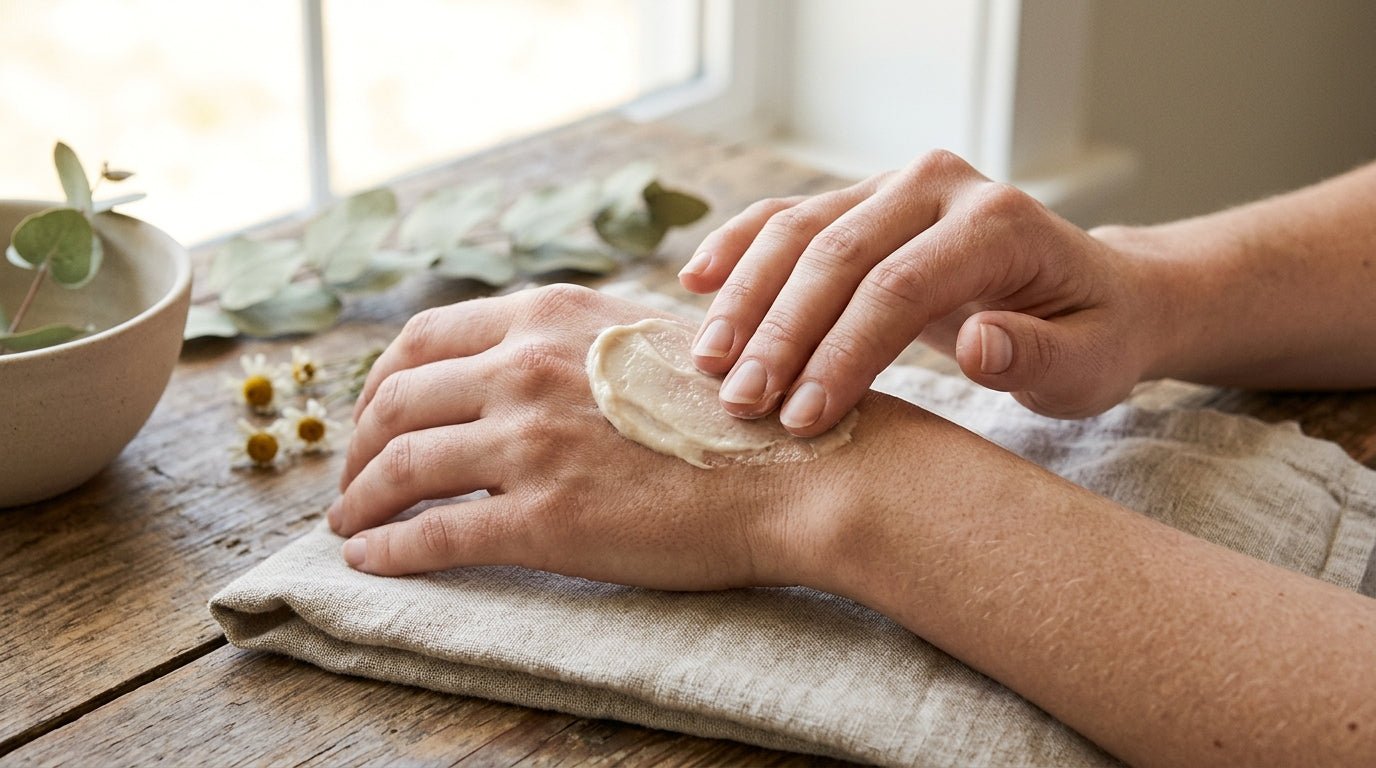
Our skin barrier (the stratum corneum) is the ultimate protective shield between our delicate internal systems and the external world. When healthy, this lipid matrix acts like a tightly sealed bri...
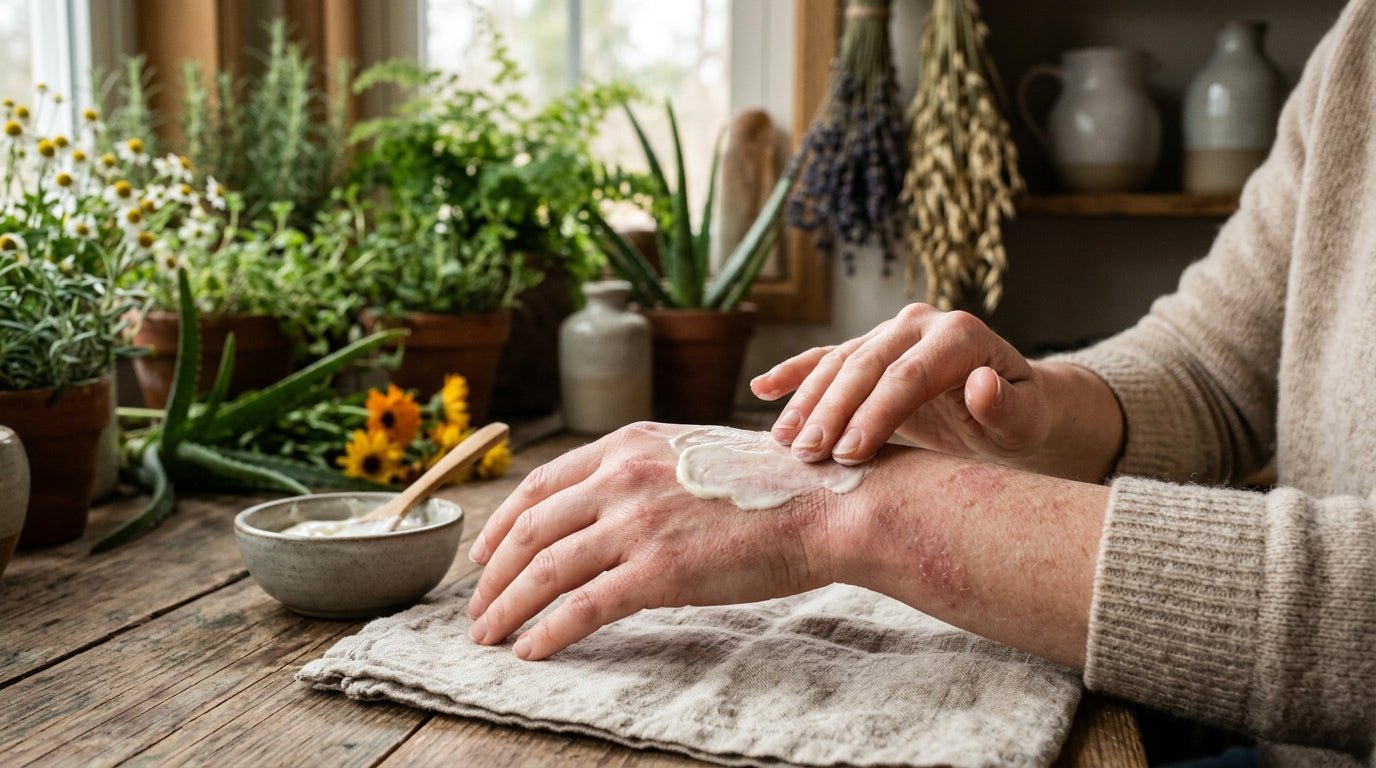
Rebuilding Resilience: The Best Barrier Repair and Eczema Creams for Extremely Sensitive Skin Living with chronic skin conditions like eczema or atopic dermatitis means navigating a constant, frust...