

Why Eczema Gets Worse in Winter: The Real Triggers Behind Seasonal Flares
If your eczema seems to have its own weather forecast calmer in summer, raging in winter you’re not imagining it. Cold air, low humidity, indoor heating, and subtle shifts in your routine all combine to stress an already sensitive skin barrier, making flares more frequent and more intense.
This guide breaks down why winter is such a high risk season for eczema and what’s really happening inside your skin when temperatures drop.
Why Winter Is “Flare Season” for Eczema?
-
Cold, dry air + indoor heating = water loss: Low humidity outside and heated, recirculated air inside accelerate moisture loss from the skin and increase trans-epidermal water loss.
-
Already fragile eczema skin gets “leakier”: In atopic dermatitis, the outer skin barrier is impaired, so winter dryness makes it even easier for irritants, allergens, and microbes to get in and trigger inflammation.
-
Daily habits quietly make things worse: Long hot showers, harsh soaps, wool and synthetic fabrics, and very dry indoor air all amplify winter itch.
-
It’s not “just dry skin”: Winter eczema usually means red, itchy, inflamed patches that can crack, ooze, or thicken not just a bit of seasonal tightness.
-
You can change the trajectory in 90 days: A barrier first routine, trigger proof habits, better humidity, targeted products, and timely medical care can significantly reduce winter flares.
Why Does Eczema Get Worse in Winter?
Eczema (especially atopic dermatitis) is a chronic inflammatory skin condition driven by genetics, immune over reactivity, and a weakened skin barrier. It affects up to 20% of children and 5–10% of adults worldwide.
Winter piles extra stress on that already fragile system:
-
Outside: Air is colder and holds less moisture, so humidity drops.
-
Inside: Central heating further dries the air and often recirculates dust and other irritants.
-
Body: Quick swings from cold street to hot room cause blood vessels to dilate and constrict, which can worsen itching and redness.
For skin with a strong, intact barrier, winter feels uncomfortable but manageable. For eczema prone skin, the same environment is like removing bricks from an already wobbly wall eventually, it cracks and flares.
If you want a broader view of non seasonal triggers as well, see Phoilex’s guide “Eczema Flare Ups: Triggers, Prevention, and Relief”.
What Actually Happens to Your Skin Barrier in Cold, Dry Air?
Transepidermal Water Loss (TEWL): The Silent Winter Saboteur
Your outermost layer of skin, the stratum corneum, works like a brick wall:
-
Bricks: Skin cells (corneocytes)
-
Mortar: Lipids like ceramides, cholesterol, and fatty acids
In dry, cold air:
-
Water evaporates more quickly from this layer.
-
TEWL (the rate at which water escapes from your skin into the air) rises.
-
As moisture escapes, the “mortar” dries, micro cracks form, and the barrier becomes leakier.
According to JAMA Dermatology Analysis about people with eczema, TEWL is already elevated even in comfortable conditions so winter simply magnifies a built in vulnerability.
Filaggrin, Ceramides, and a “Leaky” Barrier
Many people with atopic dermatitis have changes in genes that control key barrier proteins like filaggrin, which helps keep the skin surface compact and hydrated.
When filaggrin and lipids like ceramides are reduced:
-
The barrier is structurally weaker and holds less water.
-
Irritants, allergens, and microbes enter more easily.
-
The immune system reacts, sending inflammatory signals that show up as redness, itch, and flare.
Winter doesn’t cause filaggrin mutations, but it exposes and amplifies them. A barrier supporting routine like the one outlined in “Strengthen Your Skin Barrier Naturally: 6 Proven Steps” becomes even more important in colder months.
Hidden Winter Triggers That Quietly Fuel Flares
Winter eczema isn’t only about the weather. It’s how the weather interacts with your habits and environment.
Indoor Heating, Low Humidity, and Stale Air
Modern heating systems are a double edged sword:
-
They warm the air but strip moisture, often dropping indoor humidity below 30%, which accelerates TEWL.
-
Forced air systems can circulate dust, pet dander, and other airborne irritants—classic eczema triggers.
Why humidifiers help:
-
Humidifiers can raise indoor humidity into a more skin friendly range (often 40–50%), which reduces water loss, itch, and even respiratory dryness.
Long, Hot Showers and Harsh Cleansers
In winter, it’s tempting to turn the water up and stay under longer. Unfortunately:
-
Hot water dissolves skin lipids faster and causes sudden vasodilation, often worsening itch after you step out.
-
Strong soaps and foaming cleansers strip away what’s left of your barrier.
-
Showering more often “because you feel dry” can paradoxically make you drier.
Safer shower habits for eczema prone skin:
-
Use lukewarm, not hot, water.
-
Keep showers short (around 5–10 minutes).
-
Choose fragrance free, gentle cleansers instead of traditional soaps.
Wool, Synthetics, and Tight Layers: When Clothes Become Triggers
Winter wardrobes add friction literally.
-
Many people with eczema find wool, polyester, and nylon irritating; they can cause overheating, sweating, and mechanical friction that set off the itch scratch cycle.
-
Thick, tight layers trap sweat and heat, especially during commutes or indoor and outdoor transitions, which can further aggravate inflamed skin.
Smart layering strategy:
-
Start with a soft, breathable base layer (e.g., 100% cotton or TENCEL™) directly against the skin.
-
Add looser insulating layers on top that you can remove as you warm up.
-
Avoid scratchy seams, labels, and rough textures over known flare areas.
For a deeper dive into fabric choices and soothing ingredients, see “10 Soothing Natural Ingredients Every Sensitive Skin Routine Needs”
Is Winter Eczema “Just Dry Skin”Or Something More?
It’s easy to dismiss winter symptoms as “just dryness” but eczema has more specific features.
Typical Winter Dry Skin
-
Mild tightness or flaking
-
Generally uniform over the body
-
Slight improvement with basic moisturiser
Winter Eczema Flare
-
Intense itch, often worse at night
-
Red, inflamed patches that may ooze, crust, or develop tiny bumps
-
Classic eczema zones: flexural areas (behind knees, inside elbows), neck, eyelids, hand.
-
Skin may eventually thicken and darken (lichenified) from chronic scratching
If your “winter dryness” keeps you up at night, cracks and bleeds, or clusters in typical eczema locations, it’s worth getting evaluated rather than just switching to a richer cream.
Key Winter Eczema Entities at a Glance
|
Entity / Term |
What It Is? |
Why It Matters in Winter Eczema? |
|
Atopic dermatitis (AD) |
The most common type of eczema, chronic and inflammatory |
Intrinsically weak barrier + winter dryness = frequent flares |
|
Transepidermal water loss (TEWL) |
Water that passively evaporates from your skin surface |
Increases in cold, dry, heated environments |
|
Filaggrin |
Barrier protein that helps skin cells stay compact and hydrated |
Filaggrin defects make skin more vulnerable to winter stress |
|
Key lipids in the “mortar” of the skin barrier |
Low ceramides = leaky barrier, more irritation in winter |
|
|
Humidifier |
Device that adds water vapour to indoor air |
Helps counteract drying effect of central heating |
|
Finely ground oats used in skincare |
Soothes itch and supports barrier in dry, inflamed skin |
If you want a deeper explanation of colloidal oatmeal specifically, Phoilex’s article “Can Colloidal Oatmeal Help Eczema? Yes, Here’s How walks through the science in more detail.
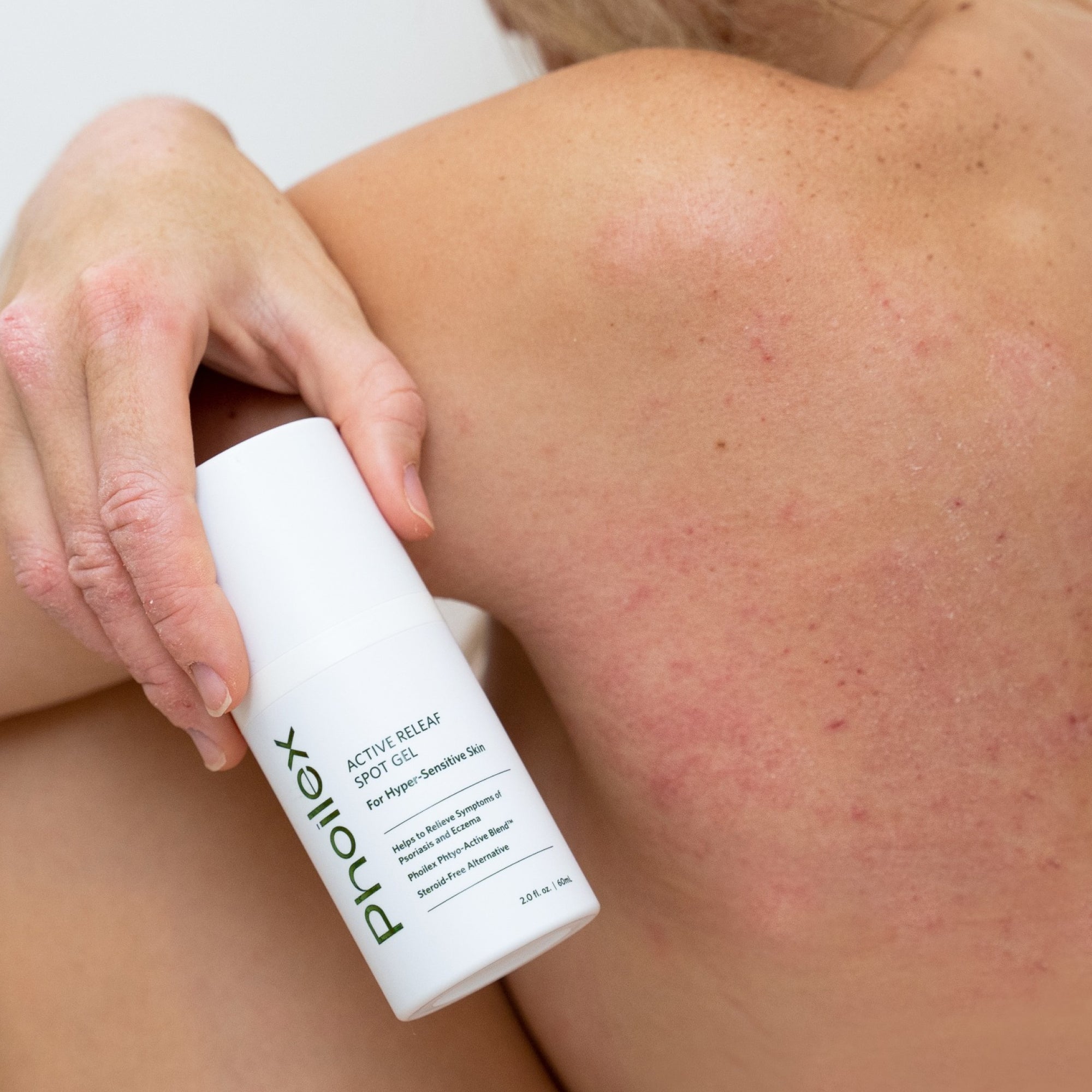
Targeted support idea: On top of your base moisturiser, a focused formula like Active Releaf Spot Gel can be layered on stubborn, reactive areas that need extra calming care in winter flares.
Conclusion: You Can Make Winter Less Hostile to Your Skin
Winter doesn’t “cause” eczema, but it shines a harsh light on any weakness in your skin barrier. Cold, dry air and indoor heating increase water loss; daily habits like hot showers and scratchy fabrics add friction; and an already sensitive immune system reacts with itch, redness, and flares .
The good news is that none of this is random. Once you understand the real winter triggers TEWL, low humidity, irritant fabrics, harsh cleansers—you can design a winter routine that works with your biology rather than against it. A barrier first approach, smarter habits, targeted products like Active Releaf Spot Gel and the Releaf and Recover Set, plus timely professional support, can turn winter from your worst season into a manageable one.
Read more
Living with eczema or Psoriasis often feels like managing a moving target: a product works, until it doesn’t; a flare appears without warning. The most reliable way to ease symptoms and extend calm...

How sleeping is important for skin health? Learn how a quality sleep will help you with your skin.