

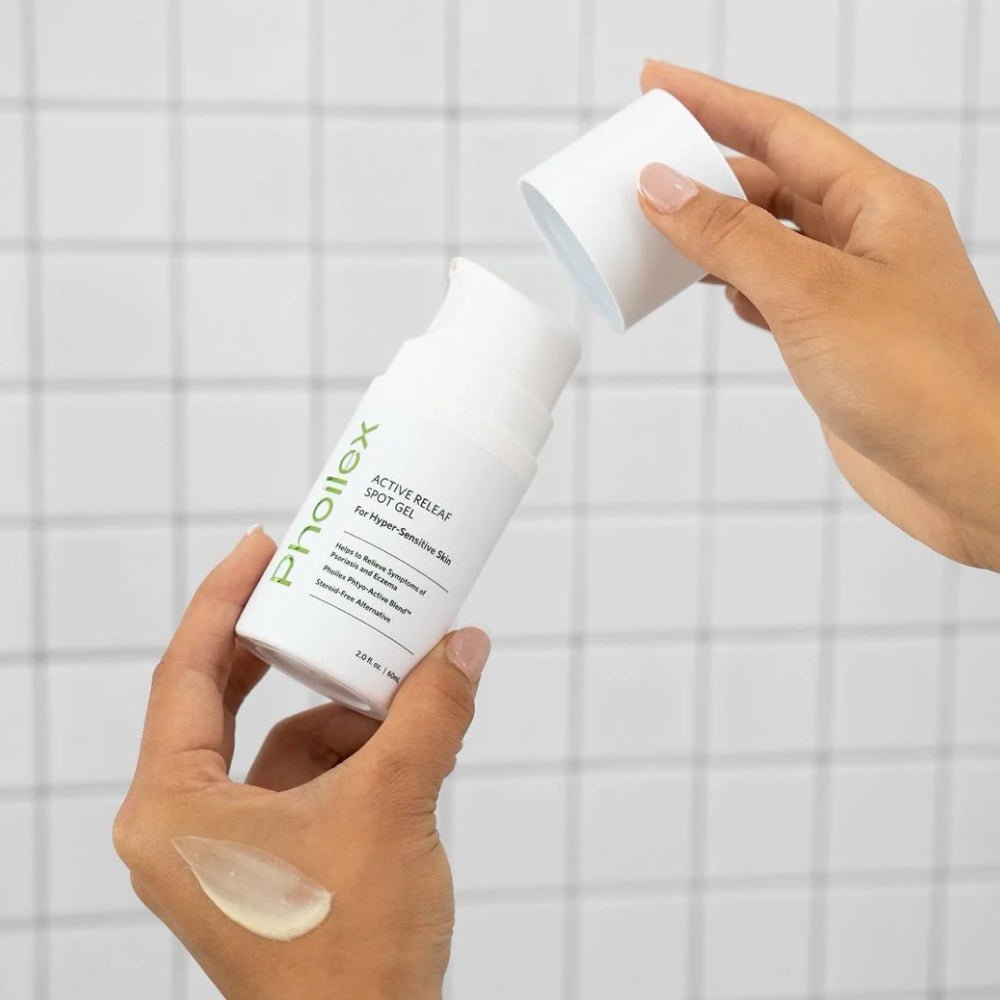
How to Build a Skin Care Routine for Seborrheic Dermatitis
Seborrheic dermatitis (SD), a common form of eczema, is characterized by dandruff and yellow, adherent scales with reddened skin. While seborrheic dermatitis rarely causes serious harm to the skin, it triggers unexpected flare-ups. If you are experiencing discomfort from seborrheic dermatitis, try developing a gentle skincare routine to control its symptoms. Our blog will clarify what causes seborrheic dermatitis and offer treatments, as well as skincare tips, for healthier skin.
What Is Seborrheic Dermatitis? Can It Be Curable?
Seborrheic dermatitis, a chronic relapsing condition of eczema, “appears on the body where there are a lot of oil-producing (sebaceous) glands like the upper back, nose, and scalp,” reported the National Eczema Association. It often comes with flaking skin, dandruff, ring-shaped rash, discoloration, and itchiness.
Seborrheic dermatitis rarely resolves on its own, and it’s a condition you may have to manage long-term. Therefore, the answer to the question, “Can it be curable?” is, unfortunately, “No.” However, you can pursue treatments to alleviate itching and adopt a daily skincare routine to help manage seborrheic dermatitis effectively.
What Causes Seborrheic Dermatitis?
Understanding the causes, whether genetic or external, is the first step in navigating effective skincare solutions for seborrheic dermatitis. The typical trigger comes from an overgrowth of Malassezia—a natural skin yeast, leading to an overreaction in the immune system and a fungal infection on your skin. Besides that, the National Eczema Association highlights the other causes, including:
-
Emotional stress;
-
Hormonal changes and illness;
-
Extreme weather or seasonal transitions;
-
Harsh chemicals, soaps, solvents, and detergents;
-
Some types of medications (e.g., psoralen, interferon);
-
Medical conditions (e.g., HIV, Parkinson’s disease, acne).
Step-by-Step Skin Care Routine For Seborrheic Dermatitis.
As mentioned above, seborrheic dermatitis cannot be completely cured. However, you can try and manage its symptoms with a safe skincare routine. Check out these 5 steps:
1. Understand your goals for managing symptoms
The first step is to understand what you're aiming for: soothing irritation, reducing inflammation, lessening the rash, or preventing flare-ups. Depending on your skin condition, your treatment plan can include one or more.
2. Create a skincare routine
Once you’ve determined your goals, you can start building your skincare routine. We’ve listed out some skincare tips to help seborrheic dermatitis below:
-
Gentle cleansing is the mainstay of seborrheic dermatitis treatment. According to the American Academy of Dermatology Association, medicated soaps, like fragrance-free or pyrithione zinc-containing cleansers—these ingredients all work together to give additional benefits to your skin.
-
Exfoliating helps reduce the buildup of dead skin and flakes, but it should be done sparingly.
-
Moisturizing can soothe irritation and repair your skin barrier, supporting your skin's fight against seborrheic dermatitis.
3. Implement a good skincare routine
The American Academy of Dermatology recommends using dandruff shampoos with ingredients like ketoconazole, selenium sulfide, or zinc pyrithione to manage seborrheic dermatitis. These ingredients help alleviate symptoms like itching, flaking, and irritation.
What are some more skin care tips to help seborrheic dermatitis? “If you have straight or wavy hair, you may use dandruff shampoo 2 to 3 times a week. However, if you have curly or tightly coiled hair, your dermatologist may recommend using the shampoo once a week.”, says the American Academy of Dermatology.
Once your symptoms are under control, continuing to use the dandruff shampoo once a week can help prevent flare-ups.
4. Experience targeted treatments for facial seborrheic dermatitis
Besides a personalized skincare routine for seborrheic dermatitis, ask your healthcare provider for targeted medications, including:
-
Antifungal cream, gel, or foam: Ketoconazole is an FDA-approved antifungal medication to control seborrheic dermatitis symptoms in individuals from 12 years of age. You can try other medications completely, but read the directions before applying.
-
Corticosteroids: If you feel antifungal products don’t work on you, prescribed topical corticosteroids are an option. As the American Academy of Family Physicians (AAFD) reported, you should apply a 1% corticosteroid once or twice a day, but always consult with your medical professional for directions before using your prescription medication.
-
Topical calcineurin inhibitor (TCI): These prescription creams or ointments, such as Protopic and Elidel, reduce redness and swelling by blocking inflammatory proteins. TCIs are typically prescribed for severe cases or as a preventative measure during flare-ups.
5. Consult with a dermatologist before starting topical treatments
A professional dermatologist will ask about your skin condition, review your medical history, and examine your skin closely to make an accurate diagnosis. With this information, they can assess your condition and develop a plan to control seborrheic dermatitis. Being open about your health history will help ensure you receive the most effective treatment
Common Active Ingredients for Seborrheic Dermatitis: How They Compare
| Active Ingredient | How It Works | Best Used For | Typical OTC Products | Key Considerations |
|---|---|---|---|---|
| Zinc Pyrithione | Research suggests it disrupts fungal cell membrane function and may help reduce Malassezia yeast populations on the skin | Scalp and facial seborrheic dermatitis; daily maintenance | Dandruff shampoos (Head & Shoulders, Vanicream Z-Bar), facial washes | Generally well-tolerated; many people find it suitable for long-term use; available in wash-off and leave-on formulas |
| Ketoconazole | An antifungal that studies indicate inhibits ergosterol synthesis, which is essential for fungal cell membranes | Active flare-ups; moderate to stubborn cases | Nizoral shampoo (1-2%), some OTC creams | Often considered more potent; typically used 2-3 times weekly rather than daily; prescription strengths available |
| Selenium Sulfide | Research indicates it slows skin cell turnover and has antifungal properties against Malassezia | Scalp seborrheic dermatitis with significant flaking | Selsun Blue, prescription-strength formulas | May cause dryness; some find the smell strong; generally used 2-3 times weekly |
| Salicylic Acid | A keratolytic that helps soften and remove scales by breaking down the bonds between skin cells | Reducing visible flaking; scale buildup | Many dandruff shampoos, facial exfoliants | Helps with symptoms but doesn't address underlying fungal component; often combined with antifungal ingredients |
| Tea Tree Oil | Contains terpinen-4-ol, which some studies suggest has antifungal and anti-inflammatory properties | Those preferring natural approaches; mild cases | Natural shampoos, diluted essential oil products | Limited clinical evidence compared to medicated options; may cause irritation in some individuals; always use diluted |
Seborrheic Dermatitis Skincare Routine: Step-by-Step Order
| Routine Step | Morning Routine | Evening Routine | Tips for Success |
|---|---|---|---|
| Step 1: Cleanse | Gentle, fragrance-free cleanser or antifungal wash if recommended by your dermatologist | Same gentle cleanser; remove makeup thoroughly first if worn | Avoid hot water and harsh scrubbing; lukewarm water helps protect the skin barrier |
| Step 2: Treatment (if prescribed) | Apply any prescribed topical antifungal or anti-inflammatory as directed | Treatment products often work well overnight; follow dermatologist guidance on frequency | Allow treatments to absorb for 1-2 minutes before the next step |
| Step 3: Moisturize | Lightweight, non-comedogenic, fragrance-free moisturizer | Slightly richer barrier-repair moisturizer if tolerated | Look for ceramides, glycerin, or hyaluronic acid; avoid products with known irritants like heavy fragrances |
| Step 4: Sun Protection | Broad-spectrum SPF 30+ sunscreen (mineral formulas often better tolerated) | Not typically needed unless going out at night | Some research suggests moderate sun exposure may help symptoms, but protection prevents damage and irritation |
Scalp vs. Face: How Seborrheic Dermatitis Treatment Differs
| Factor | Scalp Treatment Approach | Facial Treatment Approach |
|---|---|---|
| Product Types | Medicated shampoos (ketoconazole, zinc pyrithione, selenium sulfide); leave-on scalp treatments | Gentle antifungal creams, washes, and low-potency topical treatments formulated for facial skin |
| Application Method | Lather and leave on for 3-5 minutes before rinsing; massage into scalp | Apply thin layers; avoid eye area; often leave-on formulations rather than wash-off |
| Strength Considerations | Scalp can typically tolerate stronger concentrations due to thicker skin | Facial skin is more sensitive; dermatologists often recommend lower concentrations or gentler alternatives |
| Common Problem Areas | Entire scalp, hairline, behind ears | Eyebrows, sides of nose, nasolabial folds, forehead—areas with more sebaceous glands |
| Moisturizing Needs | Often not needed; focus on treatment | Barrier repair is important; fragrance-free, non-comedogenic moisturizers recommended |
Seborrheic Dermatitis Triggers and Management Strategies
| Common Trigger | Why It May Cause Flare-Ups | Management Strategies |
|---|---|---|
| Cold, Dry Weather | Research suggests low humidity and cold temperatures can compromise the skin barrier, potentially allowing Malassezia to trigger more inflammation | Increase moisturizer use; consider a humidifier indoors; maintain consistent routine during winter months |
| Stress | Studies indicate stress hormones may affect immune function and sebum production, potentially worsening symptoms | Stress management techniques; maintaining sleep hygiene; keeping up with skincare routine even during busy periods |
| Hormonal Changes | Hormone fluctuations (pregnancy, postpartum, menstrual cycle) may influence sebum production and immune responses | Work with healthcare providers; many people find symptoms improve after hormonal stabilization; safe treatment options exist for pregnancy/breastfeeding |
| Sweating & Heat | Excess moisture and warmth may create favorable conditions for Malassezia yeast growth | Shower promptly after sweating; use gentle cleansers; those working outdoors may benefit from midday cleansing wipes |
| Certain Skincare Products | Heavy oils, fragrances, and some ingredients may feed Malassezia or irritate compromised skin | Check ingredient lists; avoid products with oleic acid, certain plant oils; choose "fungal acne safe" or minimal ingredient products |
| Seasonal Changes | Transitions between seasons often combine multiple triggers (humidity changes, temperature shifts, altered routines) | Adjust routine proactively; consider using maintenance antifungal treatments during high-risk seasons |
Frequently Asked Questions
Q: What exactly is seborrheic dermatitis, and how is it different from regular dandruff or eczema?
Q: Can seborrheic dermatitis be permanently cured, or is it a lifelong condition?
Q: Why does seborrheic dermatitis appear mainly on the scalp, nose, and eyebrows?
Q: What's the difference between zinc pyrithione and ketoconazole, and which should I try first?
Q: Is it safe to treat seborrheic dermatitis while pregnant or breastfeeding?
Q: How do I know if my seborrheic dermatitis skincare routine is actually working?
Q: Why do my seborrheic dermatitis treatments seem to stop working over time?
Q: Are natural remedies like tea tree oil effective for seborrheic dermatitis?
Q: What questions should I ask my dermatologist about seborrheic dermatitis?
Other Home Remedies
Below are some expert-recommended tips to help your seborrheic dermatitis:
-
Manage your stress: with relaxation techniques to help keep flare-ups under control and prevent inflammatory skin.
-
Do more exercises: to boost your overall health, including supporting better skin and reducing stress levels.
-
Wash your scalp: with medicated shampoos or soaps, aiming to control dandruff and inflammation on your skin.
-
Adjust your diet and use supplements: support your body with the proper nutrition that contains anti-inflammatory properties such as omega-3 fatty acids.
-
Try topical botanicals: such as aloe vera and avocado oil, which work well to build skin cells.
What Product Should I Avoid?
“If a skin or hair care product contains alcohol, it can cause a flare-up,” says the American Academy of Dermatology. It may be helpful to temporarily avoid hair sprays and styling products while treating seborrheic dermatitis symptoms.
You should also reduce your intake of refined carbohydrates, which can lead to the overproduction of yeast in your skin—a common seborrheic dermatitis trigger. Don’t use expired prescribed medication for your current skin disorder; they are risky and even cause side effects!
Take Care of Your Seborrheic Dermatitis with Phoilex!
A tailored skincare routine can help manage seborrheic dermatitis, particularly when symptoms overlap with eczema. These skincare tips focus on calming irritation, reducing flaking, and restoring skin balance. We recommend always consulting a medical expert before embarking on a new skincare regime.
With Phoilex, you can confidently care for your seborrheic dermatitis while enjoying gentle, botanically-derived skincare solutions. Our products are designed to bring comfort and balance back to your skin, effectively managing eczema and other sensitive skin disorders.
References:
- National Eczema Association. (2013). Seborrheic Dermatitis | National Eczema Association. National Eczema Association.https://nationaleczema.org/eczema/types-of-eczema/seborrheic-dermatitis/
- Seborrheic dermatitis: Diagnosis and treatment. (n.d.). Www.aad.org.https://www.aad.org/public/diseases/a-z/seborrheic-dermatitis-treatment
- Seborrheic Dermatitis - Whole Health Library. (n.d.). Www.va.gov.https://www.va.gov/WHOLEHEALTHLIBRARY/tools/seborrheic-dermatitis.asp
- Tynes, B. E., Johnson, C. D., Vaish, M. H., Abbott, B., Jelena Vučenović, Giustino Varrassi, Pooja Potharaju, Torres, Y. L., Lee, Z., Shahab Ahmadzadeh, Sahar Shekoohi, & Kaye, A. D. (2024). Ketoconazole Shampoo for Seborrheic Dermatitis of the Scalp: A Narrative Review. Cureus. https://www.cureus.com/articles/284759-ketoconazole-shampoo-for-seborrheic-dermatitis-of-the-scalp-a-narrative-review#!/
- Johnson, B. A., & Nunley, J. R. (2000). Treatment of Seborrheic Dermatitis. American Family Physician, 61(9), 2703–2710. https://www.aafp.org/pubs/afp/issues/2000/0501/p2703.html/1000
Read more
According to the British Journal of Dermatology, roughly 204 million people worldwide, including adults and children, are affected by eczema. This high prevalence leads to numerous treatments, main...

Perioral dermatitis (PD) is a skin condition marked by red, bumpy rashes that can cause discomfort and affect daily life. No exact cause has yet been found, although several factors can lead to it,...