

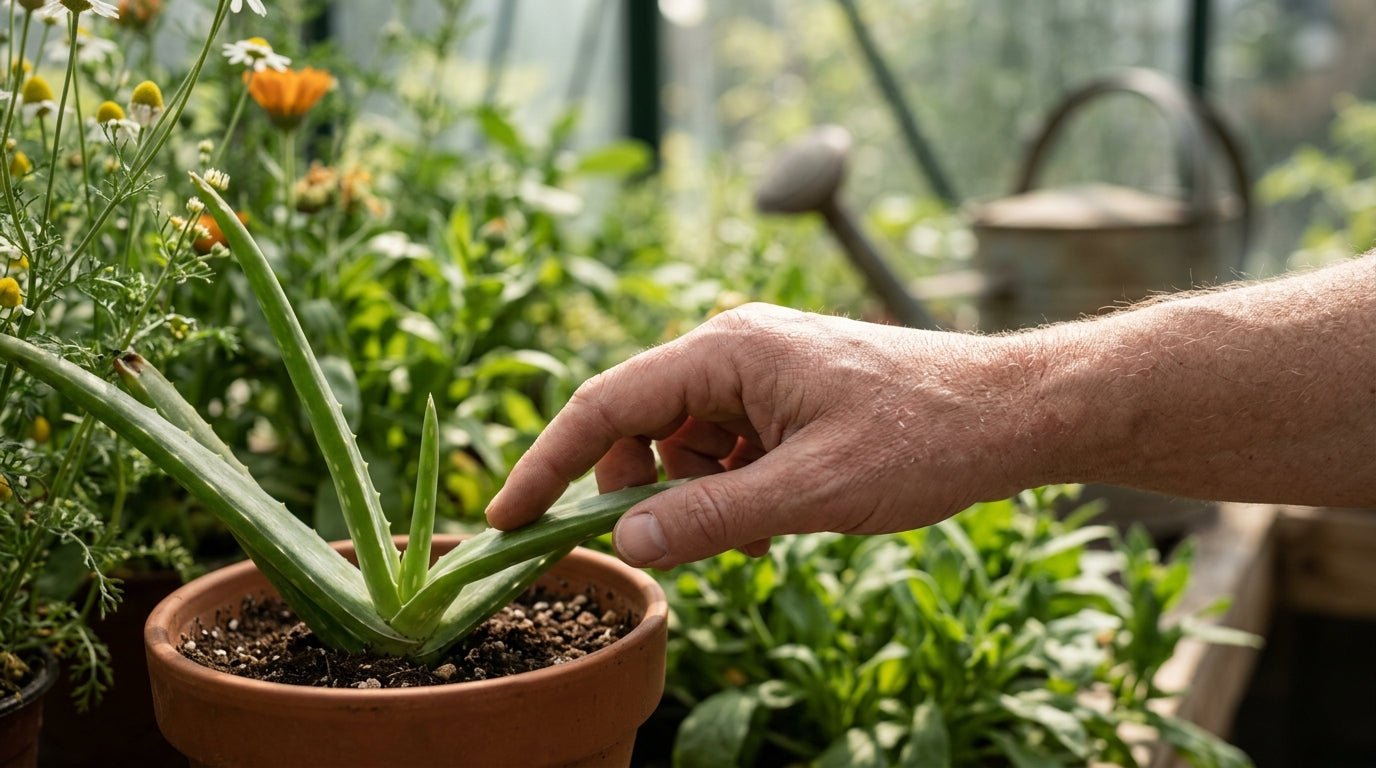
Botanical Barrier Repair for Topical Steroid Withdrawal
The Science of Topical Steroid Withdrawal (TSW): A Botanical Barrier Repair Protocol
Topical Steroid Withdrawal (TSW), also known as Red Skin Syndrome (RSS), is an agonizing, multi-systemic iatrogenic condition that occurs when the skin becomes habituated to mid-to-high-potency topical corticosteroids and is subsequently deprived of them. Far from a simple flare-up of eczema or atopic dermatitis, TSW is a systemic vascular and cutaneous crisis. Understanding this phenomenon requires a deep dive into skin physiology.
For decades, topical steroids have been the standard clinical intervention for inflammatory skin conditions. However, prolonged use can result in a state of tachyphylaxis: the skin's tolerance increases, requiring higher potencies to achieve the same therapeutic effect. When these steroids are discontinued, the skin rebels. The resulting withdrawal syndrome is marked by severe, burning redness, edema, profound skin shedding, oozing serous fluid, and an intense, deep-seated pruritus often described as a "bone itch."
According to the National Eczema Association's guidance on TSW, the symptoms can occur on areas of the body that were never even treated with topical steroids. This suggests a systemic rebound effect that goes far beyond local skin pathology. Excitingly, clinical breakthroughs by researchers at the National Institutes of Health (NIH) have defined distinct diagnostic criteria for TSW, proving it is biologically distinct from eczema. These findings revealed that TSW is characterized by an excess of nicotinamide adenine dinucleotide (NAD+) pathways and severe vascular dysregulation.
While conventional dermatology has historically had limited answers for managing this transition, the botanical skincare and wellness industry has emerged as a beacon of hope. By utilizing advanced phytochemistry, we can formulate non-steroidal, physiologically compatible protocols that soothe inflamed vessels, restabilize the compromised epidermal barrier, and alleviate the exhausting cycle of itching and shedding. This guide details the science behind TSW and provides a step-by-step botanical barrier repair protocol designed to guide you through recovery.
The Physiology of the "Steroid Skin" Collapse
To repair the skin barrier during TSW, one must first understand what topical steroids do to the skin’s structure. Corticosteroids work by mimicking natural cortisol, binding to glucocorticoid receptors to suppress inflammatory pathways. However, chronic application disrupts the delicate homeostatic balance of the cutaneous system in several destructive ways:
- Atrophy of the Stratum Corneum: Steroids suppress the proliferation of keratinocytes in the basal layer of the epidermis. This leads to a progressive thinning of the skin, making it highly susceptible to environmental irritants and microbial invasion.
- Suppression of Lipid Synthesis: Essential structural lipids (ceramides, cholesterol, and free fatty acids) are the "mortar" that holds the "bricks" (corneocytes) of your skin barrier together. Steroids downregulate the enzymes responsible for synthesizing these lipids. The result is catastrophic transepidermal water loss (TEWL) and extreme, persistent dryness.
- Rebound Vasodilation: Steroids are potent vasoconstrictors. Over time, the vascular smooth muscle cells in the dermal capillaries adapt to this constant constriction. When the steroid is removed, the capillaries dilate uncontrollably. This phenomenon, mediated by nitric oxide pathways, produces the intense erythema and heat sensation characteristic of TSW.
- Nerve Hypersensitivity: As the barrier collapses, sensory nerve fibers (C-fibers) in the epidermis are left exposed and highly sensitized. This causes "neuropathic pruritus," a deep, burning itch that does not respond to standard antihistamines.
According to advocacy groups like the ITSAN (International Topical Steroid Awareness Network), this complex array of symptoms can persist for months or even years. To transition the skin out of this dependency, we must reconstruct the lipid envelope using bio-compatible botanical alternatives.
The Botanical Solution: Phytotherapeutic Agents for Reconstruction
Standard dermatological moisturizers often fail during TSW because they rely on synthetic occlusives (like petroleum) or contain emulsifiers that can further strip compromised lipids. The botanical world offers highly sophisticated, bio-compatible alternatives that do not simply sit on top of the skin, but actively integrate into the intercellular lipid matrix.
High-Linoleic Plant Oils vs. High-Oleic Plant Oils
Not all natural oils are created equal. In fact, applying the wrong oil can severely delay barrier recovery. The ratio of fatty acids within a plant oil determines its therapeutic utility.
- Linoleic Acid (Omega-6): An essential fatty acid that acts as a direct precursor to ceramides. It is crucial for maintaining the structural integrity of the skin barrier.
- Oleic Acid (Omega-9): A monounsaturated fatty acid that can act as a skin penetration enhancer by disrupting the lipid bilayer. On highly compromised TSW skin, high-oleic oils can increase irritation and TEWL.
In a landmark study published in Dermatologic Therapy, researchers evaluated the effects of various natural oils on the skin barrier. The study found that linoleic-acid-rich oils, such as sunflower seed oil, significantly accelerated skin barrier recovery and improved hydration. Conversely, high-oleic oils like olive oil caused a significant reduction in stratum corneum integrity and induced mild erythema. For TSW recovery, we must exclusively select unrefined, cold-pressed oils with high linoleic-to-oleic ratios, such as safflower, evening primrose, borage, and sunflower seed oils.
Plant-Derived Ceramides and Phytosterols
To successfully rebuild the lipid matrix, we must replicate the natural 3:1:1 ratio of ceramides, cholesterol, and free fatty acids found in a healthy stratum corneum. Botanicals provide rich sources of these structural components:
- Phytoceramides: Sourced from wheat germ, rice bran, or konjac root, these molecules structurally mimic the ceramides in human skin, helping to seal the intercellular spaces.
- Phytosterols: Found in abundance in shea butter, avocado, and pomegranate seed oil, phytosterols mimic cholesterol. They exhibit powerful anti-inflammatory properties and encourage cellular regeneration.
- Phytosqualane: Sourced from olives or sugarcane, squalane is a highly stable, non-comedogenic lipid that mimics human squalene (a natural component of sebum). It provides lightweight occlusion without trapping metabolic heat.
Anti-inflammatory and Antimicrobial Botanicals
During TSW, the skin microbiome is highly unstable. Without a robust lipid barrier, pathogenic bacteria (particularly Staphylococcus aureus) easily colonize the skin, forming biofilms that trigger secondary infections and aggravate inflammation.
According to clinical research published in the International Journal of Molecular Sciences, several plant extracts possess dual anti-inflammatory and antimicrobial properties that are highly beneficial for compromised skin:
- German Chamomile (Bisabolol): Contains high concentrations of chamazulene and bisabolol, which inhibit inflammatory enzymes (such as cyclooxygenase) and calm vascular swelling.
- Licorice Root (Glycyrrhizin): Glycyrrhizin has a chemical structure that resembles steroid hormones. It helps to prolong the local anti-inflammatory effects of the body's natural cortisol without the systemic risks or addictive potential of synthetic steroids.
- Andiroba and Copaiba Oils: These Amazonian botanicals are rich in beta-caryophyllene, which interacts with cannabinoid receptors (CB2) in the skin to reduce pain and itching. They have also been shown to inhibit S. aureus biofilm formation.
Botanical Ingredient Comparison
The following table summarizes the key botanical classes, their primary active compounds, mechanisms of action, and optimal application stages during the TSW journey.
| Botanical Ingredient | Primary Active Compounds | Mechanism of Action | TSW Stage Application |
|---|---|---|---|
| Sunflower Seed Oil (Cold-Pressed) | Linoleic Acid, Vitamin E | Activates PPAR-alpha to accelerate lipid synthesis and repair the epidermal barrier. | Mid-to-Late (Reconstruction & Maintenance) |
| German Chamomile Hydrosol | Chamazulene, Bisabolol | Calms vascular swelling, reduces heat sensation, and provides lightweight, non-stinging hydration. | Early (Inflammatory & Oozing Phase) |
| Licorice Root Extract | Glycyrrhizin, Licochalcone A | Mimics mild anti-inflammatory pathways to reduce rebound erythema and capillary leakage. | Early-to-Mid (Acute Flaring) |
| Phytoceramides (from Wheat/Konjac) | Ceramides 1, 3, and 6 II | Rebuilds the intercellular lamellar structure of the stratum corneum to halt TEWL. | Mid-to-Late (Reconstruction) |
| Andiroba Oil | Limonoids, Beta-Caryophyllene | Disrupts Staphylococcus aureus biofilm formation and reduces neuropathic itch. | All Stages (Microbiome & Itch Control) |
The Botanical Barrier Repair Protocol: Step-by-Step Instructions
This clinical protocol is divided into four chronological steps. It is designed to minimize skin irritation while systematically restoring the epidermal barrier and regulating vascular reactivity.
Step 1: The Initial Elimination and Calming Phase (Managing the Burn)
During the early stage of TSW, the skin is highly inflamed, red, hot, and often oozing serous fluid. The vascular system is in a state of hyper-reactivity, and even plain water can cause extreme pain and burning.
- Eliminate All Synthetic Topicals: Immediately stop using products containing synthetic preservatives, heavy petroleum, fragrance, and essential oils. These can act as contact allergens on exposed dermis.
- Implement Water-Minimized Cleansing: Avoid frequent bathing or hot showers, which strip the remaining natural moisturizing factors (NMFs). If the skin is oozing, use gentle, tepid compresses soaked in German Chamomile or Calendula hydrosol. Hydrosols are sterile, water-based byproducts of essential oil distillation that contain the water-soluble properties of the plant without the highly concentrated, irritating volatile compounds.
- Apply Botanical Compresses: Steep organic, gluten-free colloidal oatmeal in lukewarm water to create a milky wash. Apply this liquid via soft, sterile cotton gauze to weeping areas for 10 to 15 minutes. This delivers beta-glucans to the skin, which form a protective, anti-pruritic film and soothe the burning sensation.
Step 2: Re-establishing the Lipid Matrix (The Reconstruction Phase)
Once the oozing has subsided and the skin transitions into the dry, hyper-shedding phase, you must focus on rebuilding the stratum corneum's lipid barrier.
- Apply Hydrating Humectants First: On damp skin, apply a lightweight, botanical-based serum containing high-molecular-weight hyaluronic acid, aloe vera leaf juice, and licorice root extract. This replenishes the water content of the epidermis.
- Layer with High-Linoleic Lipids: Immediately lock in that hydration by applying a customized facial and body oil blend. Formulate this blend using 70% cold-pressed Sunflower Seed Oil, 20% Evening Primrose Oil (rich in gamma-linolenic acid), and 10% Borage Seed Oil.
- Incorporate Phytoceramides: Look for a rich botanical balm formulated with plant-derived ceramides and phytosterols. Gently pat (do not rub) this balm over the oil layer. The combination of oils and ceramides mimics the natural lipid ratio of the skin, forcing the epidermal layers to begin structural repair.
Step 3: Soothing the Neurological "Bone Itch" (The Calming Phase)
The itch associated with TSW is neuropathic, driven by hyperactive sensory nerves and capillary dilation rather than histamines.
- Utilize Cooling Phytochemicals: Apply formulations containing low concentrations of plant-derived menthol derivatives (such as peppermint hydrosol or targeted botanical balms with high-quality bisabolol) to trigger the cold receptors in the skin, which temporarily overrides the itch signal sent to the brain.
- Apply Centella Asiatica (Gotu Kola) Extract: Rich in triterpenoid saponins (such as asiaticoside and madecassoside), Centella Asiatica stimulates collagen synthesis and downregulates the inflammatory cytokines that trigger the C-fibers. Apply a Centella-rich gel to areas experiencing severe, localized itching.
- Avoid Scratching with Physical Barriers: Keep the skin covered with loose, breathable bamboo or organic cotton wraps. If necessary, use cold, dry gel packs wrapped in soft cotton fabric to numb the itching sensation without causing physical trauma to the healing skin.
Step 4: Microbiome Stabilization (The Defense Phase)
As the skin begins to heal, it is highly vulnerable to dysbiosis. Maintaining a healthy microbiome is essential to prevent secondary infections and ensure long-term barrier resilience.
- Introduce Botanical Biofilm Inhibitors: Apply a thin layer of a balm containing unrefined Andiroba oil or Copaiba balsam. These botanicals contain active terpenoids that naturally prevent S. aureus from forming biofilms, keeping the skin flora balanced without the use of harsh, stripping antibacterial chemicals.
- Support the Acid Mantle: The natural pH of healthy skin is slightly acidic (around 5.5). Topical steroids disrupt this pH, making the skin more alkaline and hospitable to pathogens. Use a botanical toner infused with fermented plant extracts (like lactobacillus ferment) to gently restore the acidic mantle and support beneficial resident bacteria.
Practical Tips for Navigating the TSW Journey
To maximize the efficacy of your botanical barrier repair protocol, incorporate these lifestyle and wellness adjustments into your daily routine:
- Manage the Microclimate: TSW causes severe thermal dysregulation, making you feel freezing cold one minute and burning hot the next. Wear multiple layers of loose, white, organic cotton or bamboo clothing. Avoid synthetic fabrics like polyester, which trap heat and sweat, exacerbating the itch.
- Optimize Bathing Protocols: If you choose to bathe, keep the water lukewarm and limit the duration to under 10 minutes. Add half a cup of colloidal oatmeal and a tablespoon of organic, cold-pressed safflower oil directly to the bathwater. Gently pat your skin dry with a clean, soft towel, leaving it slightly damp before immediately applying your botanical lipid blends.
- Support Your Internal Barrier: Skin health is deeply tied to internal systemic inflammation. Support your recovery by consuming a whole-food, plant-heavy diet rich in anti-inflammatory omega-3 fatty acids (from flaxseed, chia, and walnuts). Based on recent NIH insights regarding NAD+ metabolism in TSW, incorporating foods high in natural niacin (Vitamin B3), such as green peas, avocados, and sunflower seeds, may support cellular energy and repair pathways.
- Consult with a Holistic Practitioner: TSW is a highly complex condition. Work closely with a supportive healthcare provider, such as a psychodermatologist or a holistic practitioner experienced in drug withdrawal, to monitor your progress and rule out secondary infections.
How does TSW differ from a standard eczema flare-up?
TSW is fundamentally a vascular and neurological syndrome, whereas eczema is primarily an inflammatory epidermal condition. While eczema typically presents as localized, itchy, dry patches that cycle and resolve, TSW is characterized by a rapid, widespread "rebound" redness that can cover entire limbs or the face. Additionally, TSW presents with a distinct burning sensation, skin weeping (oozing), profound flaking, and systemic symptoms like swollen lymph nodes, extreme fatigue, and thermal dysregulation. Eczema does not cause these systemic symptoms, nor does it result in the vascular "red sleeve" phenomenon.
Why do standard, dermatologist-recommended moisturizers burn on TSW skin?
Many standard, commercial moisturizers are formulated for intact or mildly compromised skin. They frequently contain synthetic emulsifiers, alcohols, and preservatives that can easily penetrate the severely thin, raw epidermal layer of a TSW sufferer, reaching exposed sensory nerves and causing an intense burning sensation. Additionally, heavy petroleum-based occlusives can trap metabolic heat on the skin. Since TSW is characterized by uncontrolled vasodilation, trapping this heat exacerbates the burning, throbbing sensation.
Can I use essential oils during TSW?
It is highly recommended to avoid concentrated essential oils, especially during the early, acute phases of TSW. Essential oils contain highly volatile organic compounds that can act as potent contact allergens or irritants when the skin barrier is non-existent. Instead, opt for hydrosols (such as German Chamomile or Lavender hydrosols), which are water-based and contain only trace, gentle, water-soluble plant properties. Once the skin barrier has largely healed, extremely low dilutions of soothing oils may be reintroduced under the guidance of a practitioner.
How long does the botanical barrier repair process take?
The timeline for TSW recovery varies significantly from person to person: often ranging from several months to a few years, depending on the duration and potency of the topical steroids previously used. The botanical barrier repair protocol is not a rapid overnight cure, but a supportive framework designed to accelerate the skin's natural regenerative timeline, stabilize the microbiome, and dramatically reduce discomfort. Consistent application of bio-compatible plant lipids helps shorten the peeling and flaking cycles, making the recovery process much more manageable.
Disclaimer: This article is for general informational and educational purposes only and does not constitute professional medical, financial, or legal advice. Always consult a qualified professional before making decisions about your health, finances, or legal situation. The information here may not reflect the most recent developments and is provided without any warranty of accuracy or completeness.
Read more
In 2026, the global wellness and dermatological communities continue to shift away from aggressive chemical interventions in favor of holistic, botanical skincare. For the millions of individuals w...
In 2026, the global shift toward botanical skincare is a fully clinical movement. Individuals dealing with chronic sensitive skin flares, such as eczema, rosacea, and psoriasis, are moving away fro...