

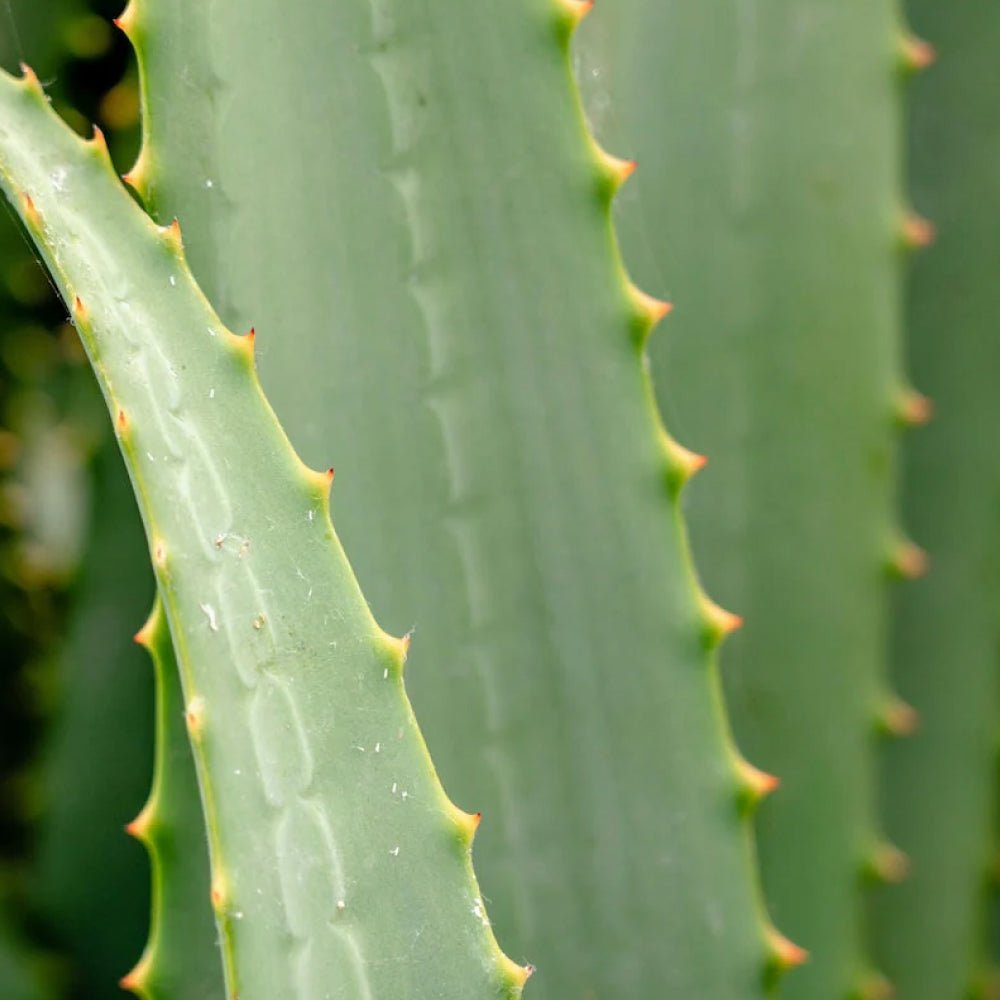
Aloe Vera for Perioral Dermatitis: Benefits, Risks, and Tips
If you have ever suffered from redness, irritation, and pain due to perioral dermatitis, you know how awful it can get. This condition can usually be triggered by external environmental factors, a person's skincare routine, or even stress. In all cases, one should seek a mild yet effective remedy. Here comes aloe vera - a natural option with renowned soothing and healing powers. But how effective is aloe vera for perioral dermatitis? This article explores its benefits, potential risks, and practical tips for using aloe vera to address this persistent issue.
What Is Perioral Dermatitis?
According to Tolaymant and Hall’s 2023 report on Perioral Dermatitis, perioral dermatitis is a common disease found in the skin of young to middle-aged women (20 to 45 years of age). The red rashes with bumps appear around the mouth, eyes, and nose. Perioral dermatitis is a skin condition characterized by red rashes, often with small bumps, around the mouth, nose, and eyes. Perioral dermatitis first requires a proper medical diagnosis and then proper treatment.
The underlying cause has still not been thoroughly specified. However, some associated factors include skincare products, hormones, and stress. Early treatment is very important, as perioral dermatitis can progress to become full-blown rosacea in the years when it’s neglected.
It can be easily treated at a dermatologist's office by developing an appropriate plan for skin health improvement and helping manage the condition.
Is Aloe Vera Good for Perioral Dermatitis?
Aloe vera can help soothe perioral dermatitis due to its anti-inflammatory and hydrating properties. It can help reduce redness and irritation, promoting healing.
Aloe vera, with its nutrient-rich properties and soothing texture, is a popular choice for managing perioral dermatitis and other skin concerns.
Benefits of Aloe Vera for Perioral Dermatitis
-
Anti-inflammatory Properties: Aloe vera has components like acemannan and salicylic acid that may help reduce redness and swelling.
-
Hydration Without Clogging Pores: Aloe vera contains a very high percentage of water; it feeds moisture to the skin but leaves it breathable.
-
Healing Boost: Aloe vera supports skin regeneration by accelerating the healing process from irritation and flare-ups.
Side Effects and Risks
Limited in several aspects and minor in its benefits, aloe vera is good but not for everyone, especially with sensitive skin. Risk can include:
-
Hypersensitivity in cases such as allergic reactions is common, especially in those who have very sensitive skin.
-
Increased dryness if it continues to be used.
-
Symptoms worsen when used on cuts and infected skin. A patch test is important to check compatibility with your skin.
How to Use Aloe Vera for Perioral Dermatitis
Preparing Aloe Vera at Home
To get the best results, use fresh aloe vera gel. Cut a leaf from your aloe vera plant, rinse it, and dab the slice with a paper towel to let the yellow sap drain out (this should be discarded). Cut this huge slice to mini slices or leave as is, soak in water, then let it dry and scoop out the clear gel.
If a fresh plant is unavailable, opt for store-bought aloe vera gel, ensuring it is free from harmful additives.
Simple Steps to Soothe Perioral Dermatitis with Aloe Vera
Mild Cleansing: Start with a gentle face wash using a mild, fragrance-free method. Do not use harsh soaps since they will aggravate the skin further.
Application on the Spot: Once your skin is cleaned and dried, apply fresh aloe vera gel immediately on the affected skin. The cool soothing properties of the gel would alleviate most inflammation and redness.
Increased Healing: To enhance the effects of aloe vera gel for perioral dermatitis, you can apply it topically along with natural ingredients like licorice root extract or vitamin E oil, which work best to soothe and promote skin recovery.
| Consideration | Aloe Vera | Other Natural Alternatives | Key Notes |
|---|---|---|---|
| Anti-Inflammatory Properties | Contains acemannan, aloin, and salicylic acid; research suggests mild soothing effects | Colloidal oatmeal (strong evidence), licorice root extract, feverfew, turmeric | Colloidal oatmeal has more clinical backing for dermatitis; aloe vera may work as a complementary option |
| Hydration & Moisturizing | Lightweight, water-based; generally considered non-comedogenic | Hyaluronic acid, glycerin-based products, squalane | Aloe vera provides hydration without heavy oils that may clog pores or aggravate perioral dermatitis |
| Safety for Sensitive Skin | Generally well-tolerated; some individuals may experience allergic reactions or irritation | Colloidal oatmeal and licorice root are typically gentle; turmeric may stain or irritate | Always perform a patch test before full application, especially on compromised skin |
| Teen & Beginner Suitability | Often considered safe for teens when using pure, fragrance-free formulations | Colloidal oatmeal products widely recommended for young or sensitive skin | Consult a dermatologist before starting any new treatment, particularly for adolescents |
| Fresh vs. Store-Bought | Fresh gel requires proper extraction (remove yellow latex/sap); commercial products vary in purity | Most alternatives available in standardized, tested formulations | Fresh aloe requires draining yellow sap (aloin) to avoid irritation; look for products with minimal additives |
| Potential Risks | Allergic contact dermatitis possible; latex (yellow sap) can cause irritation or worsen symptoms | Turmeric may cause staining; licorice may interact with certain conditions | Discontinue use if redness, itching, or worsening occurs and seek professional advice |
| Evidence Level for Perioral Dermatitis | Limited direct clinical studies; mostly anecdotal and general dermatitis research | Colloidal oatmeal has FDA recognition for skin protectant use; others have varying evidence | No natural remedy replaces professional medical treatment for persistent perioral dermatitis |
Best Treatments for Perioral Dermatitis
While aloe vera can help soothe symptoms, it may not address the root cause of perioral dermatitis. Explore the following options:
Medical Treatment: For a more effective solution, consult a dermatologist about prescription treatments, such as topical creams or antibiotics, to reduce inflammation.
Lifestyle Modifications: Triggers, such as harsh skincare products, excessive sunlight, and stress, are often responsible for worsening perioral dermatitis. You should therefore include eating a balanced diet that has antioxidants as well as probiotics for holistic support.
Precautions and Considerations
Will aloe vera worsen symptoms?
While aloe vera is generally safe for most people, it's essential to use it with caution. If you experience any irritation or adverse reactions after applying aloe vera, discontinue use and consult a dermatologist. Additionally, avoid applying aloe vera to open wounds or infected skin, as this can worsen the condition.
Can aloe vera help treat eczema in children and babies?
Avoid using the aloe treatment on children before medical consultation with a pediatrician, especially in cases of long-term use or applied over sensitive areas. Pure aloe vera is generally safe, but skin conditions in children must be monitored closely for signs of allergic reactions. It is important to take precautions and seek professional advice when necessary to ensure better outcomes.
Other Natural Remedies for Perioral Dermatitis
In addition to aloe vera, these other natural solutions might provide relief:
-
Apple Cider Vinegar: Known for its antimicrobial properties, it might help balance skin pH while fighting bacteria.
-
Honey: Acts as a natural moisturizer and is anti-inflammatory.
-
Oatmeal Masks: Soothes irritation and calms redness. Alleviates itching and redness.
-
Coconut Oil: This oil serves as an effective moisturizer and is antibacterial. It can be used as a penetrative mask to calm the skin.
-
Moisturize regularly: It is very important to keep the skin hydrated. Go for moisturizers that are safe for sensitive skin and fragrance-free. Try Phoilex's Active ReLeaf Spot Gel, made with non-irritating ceramides and vitamins, to repair the skin barrier before realizing moisture maintenance.
-
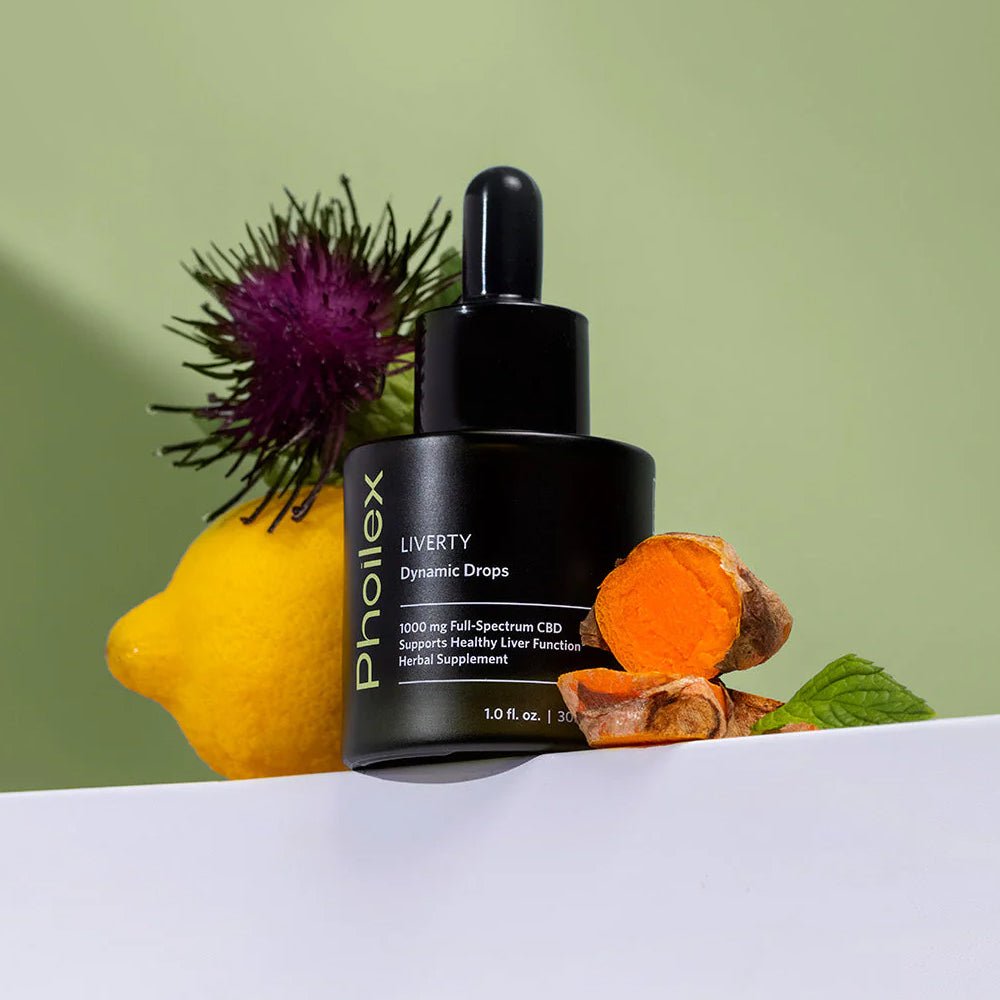
Stress Management: Try relaxation techniques such as yoga and meditation to relieve stress. For specific internal support, try Phoilex's Liverty Dynamic Drops, designed for internal inflammation treatment and general wellness.
-
Dietary Changes: Include more anti-inflammatory items such as turmeric and omega-3s to your diet to fight bacteria and soothe your skin.
Find Relief with Aloe Vera and Phoilex
Aloe vera has anti-inflammatory and hydrating properties, making it an effective natural remedy against perioral dermatitis. Aloe vera for perioral dermatitis can lessen the symptoms significantly when it’s paired with a balanced skincare regimen and advice from professionals. We understand how challenging managing perioral dermatitis can be, that's why our products are thoughtfully designed to support your skin’s natural healing process while minimizing irritation. Aloe vera is a key ingredient in soothing inflamed skin, and when combined with our formulations, it can help restore balance and comfort.
Explore Phoilex products to complement your skincare routine and support your journey to healthier skin.
FAQs:
Q: Can aloe vera cure perioral dermatitis completely?
A: Aloe vera cannot cure perioral dermatitis on its own, but it can help manage symptoms by reducing redness, inflammation, and irritation. Perioral dermatitis requires proper medical diagnosis and treatment from a dermatologist, with aloe vera serving as a complementary soothing remedy. For complete resolution, you'll need to address underlying causes such as skincare products, hormones, or stress factors.
Q: How should I apply aloe vera for perioral dermatitis?
A: Use pure, organic aloe vera gel (ideally 99% or higher) and apply a thin layer to clean, dry skin in the affected areas around your mouth, nose, or eyes. Leave it on for 15-20 minutes before gently rinsing with lukewarm water, and repeat this process 1-2 times daily. Always perform a patch test on a small area first to ensure you don't have an adverse reaction.
Q: What are the risks of using aloe vera on perioral dermatitis?
A: While aloe vera is generally safe, some people may experience allergic reactions, skin irritation, or sensitivity to certain compounds in the plant. Using aloe vera products with added fragrances, preservatives, or other ingredients can potentially worsen perioral dermatitis symptoms. It's essential to choose pure aloe vera gel and discontinue use if you notice increased redness, burning, or worsening of your condition.
Q: Who is most likely to develop perioral dermatitis?
A: Perioral dermatitis most commonly affects young to middle-aged women between 20 and 45 years of age, according to medical research. The condition can be triggered by external environmental factors, certain skincare products, hormonal changes, or stress. If left untreated, perioral dermatitis can progress to become full-blown rosacea over time.
Q: What ingredients in aloe vera help with perioral dermatitis symptoms?
A: Aloe vera contains anti-inflammatory components like acemannan and salicylic acid that help reduce redness and swelling associated with perioral dermatitis. The plant is also composed of a high percentage of water, which provides essential hydration to irritated skin without clogging pores. These properties make aloe vera particularly effective for soothing inflamed skin while maintaining breathability.
Q: Should I use fresh aloe vera or store-bought gel for perioral dermatitis?
A: Fresh aloe vera gel directly from the plant is ideal as it contains no additives, preservatives, or fragrances that could irritate sensitive skin. If using store-bought products, choose pure, organic aloe vera gel with 99% or higher aloe content and minimal additional ingredients. Always check the ingredient list to avoid products with alcohol, fragrances, or other potential irritants that may aggravate perioral dermatitis.
Disclaimer: This information is for educational purposes only and should not replace professional medical advice. If you suspect you have perioral dermatitis or any skin condition, please consult a healthcare professional or board-certified dermatologist for proper diagnosis and personalized treatment recommendations.
References:
Tolaymat, L., & Hall, M. R. (2023, September 4). Perioral Dermatitis. https://www.ncbi.nlm.nih.gov/books/NBK525968/
Memon, N. (2022, February 1). What kills perioral dermatitis? 6 at-home remedies, treatment. MedicineNet. https://www.medicinenet.com/what_kills_perioral_dermatitis/article.htm
Vicioso, E. (2023, August 30). Perioral dermatitis treatment, causes & natural remedies. Growing Healthy Together. https://ghtkids.com/holistic-care/perioral-dermatitis-2/
Gál, K. —. (2022, February 17). Aloe vera for eczema: Benefits, uses, types, treatments. Medical News Today. https://www.medicalnewstoday.com/articles/323507
Benton, E. (2024, August 28). 10 best aloe vera gels, according to dermatologists: Garden City, NY & Syosset, NY. Borealis Dermatology. https://borealisderm.com/in-the-news/10-best-aloe-vera-gels-according-to-dermatologists/
Cherney, K. (2020, May 19). Aloe vera for skin redness: Does it help or worsen symptoms?. Healthline. https://www.healthline.com/health/aloe-vera-redness
Srakocic, S. (2021, July 15). How Can I Treat Perioral Dermatitis at Home? Healthline. https://www.healthline.com/health/skin/perioral-dermatitis-over-the-counter-treatment
Read more

Topical corticosteroids are the first-line medicines dermatologists reach for when eczema, psoriasis, contact dermatitis, or insect bites flare. In this comprehensive guide, we’ll explain what topi...
Have you ever wondered if using an alcohol free tincture in your skincare regimen would be worthwhile? Strong herbal extracts like the ones rendered in Phoilex’s Phyto-Active Blend demonstrate all ...