

Learn through our blogs
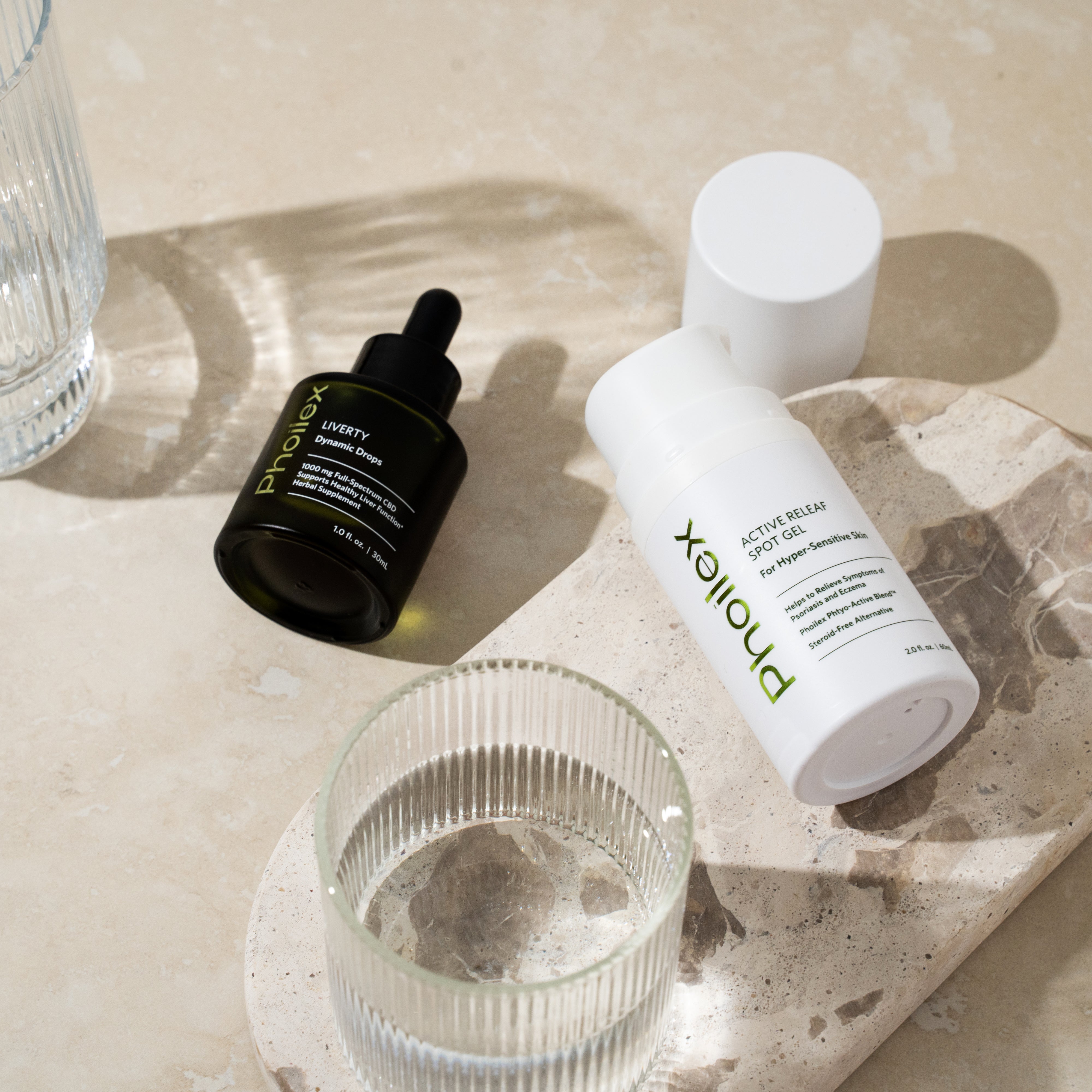
Phoilex is a skincare and wellness brand that addresses the needs of those who endure from hyper-sensitive skin, chronic eczema and psoriasis.
Trans-epidermal water loss (TEWL) is the passive diffusion and subsequent evaporation of water vapor from within the skin, across the stratum corneum, into the surrounding air. It is expressed as a...
Barrier dysfunction refers to a loss of structural and/or functional integrity in the body’s protective interfaces—such as the skin, intestinal lining, respiratory epithelium, vascular endothelium,...
Barrier repair refers to the strategies and interventions that restore the skin’s outermost defensive layer—primarily the stratum corneum and its “acid mantle”—so it can effectively keep water in a...
Topical inflammation refers to an acute or chronic inflammatory response that is localized to a surface tissue—most commonly the skin—at or near the site of direct contact with an external trigger ...
Chronic skin irritation refers to persistent inflammation and discomfort of the skin—experienced as itching, burning, stinging, tightness, or pain—that recurs or lasts for weeks to months. Clinical...
Seborrheic dermatitis is a common, chronic inflammatory skin disorder that primarily affects areas rich in sebaceous (oil) glands—most often the scalp, face (especially the eyebrows and sides of th...
Contact dermatitis is an inflammatory skin reaction that occurs when the skin is directly exposed to substances that either irritate the skin barrier (irritant contact dermatitis, ICD) or trigger a...
Atopic dermatitis (AD), often called “eczema,” is a chronic, relapsing, inflammatory skin disease characterized by intense itch, dry skin, and eczematous lesions that vary by age and body site. It ...
Dermatitis is an umbrella term for inflammation of the skin that typically presents with itching, redness, dryness, and a rash that may ooze, crust, flake, or blister. It is not contagious. In ever...
Skin redness—often called erythema—is a visible red or red‑brown discoloration that occurs when superficial skin blood vessels dilate and carry increased blood flow to the area. It commonly accompa...
An inflammatory flare-up (often shortened to “flare”) is a temporary but noticeable worsening of symptoms and objective disease activity in a chronic inflammatory condition after a period of relati...
A compromised skin barrier refers to impaired function of the stratum corneum—the skin’s outermost “brick-and-mortar” layer composed of dead corneocytes (bricks) embedded in a lipid matrix of ceram...