


Topical Ingredients to Avoid for Psoriasis: 2026 Guide
Managing psoriasis requires vigilance with product labels. Because psoriasis is a chronic inflammatory autoimmune condition characterized by rapid epidermal turnover, the outer skin barrier is structurally compromised. Even when plaques appear calm, the skin remains hyper-reactive to external irritants.
Applying the wrong topical product can trigger the Koebner phenomenon, induce contact dermatitis, or provoke painful flares. In the modern botanical skincare and wellness landscape of 2026, finding products that respect delicate skin while delivering restorative botanical nutrients is essential.
Before exploring the top recommended topical solutions, it is critical to understand which common cosmetic ingredients must stay off your skin.
What Topical Ingredients Should Be Avoided for Psoriasis?
Navigating skincare labels can be overwhelming, but steering clear of the following ingredients can significantly reduce the risk of irritation and barrier degradation.
1. Synthetic Fragrances and Sensitizing Essential Oils
Fragrance remains the leading cause of cosmetic-induced contact allergy. Conventional skincare frequently conceals dozens of volatile chemical compounds under the blanket terms "parfum" or "fragrance." Even products marked "unscented" may utilize masking fragrances to neutralize chemical odors.
While natural botanical wellness is celebrated, certain undiluted essential oils, such as cinnamon, citrus peel oils, peppermint, and tea tree oil, contain high concentrations of limonene, linalool, and terpenes. For skin with active plaque lesions, these aromatic compounds can trigger intense burning and micro-inflammation.
2. Drying Alcohols
Not all alcohols harm the skin; fatty alcohols such as cetyl and stearyl alcohol can condition the skin barrier. However, short-chain drying alcohols must be avoided entirely. Watch labels for denatured alcohol (alcohol denat.), isopropyl alcohol, ethanol, and methanol.
Manufacturers often use these agents to create fast-drying textures or light lotions, but as they evaporate, they dissolve essential surface lipids and dehydrate plaque-prone tissue.
3. Harsh Sulfates (SLS and SLES)
Sodium lauryl sulfate (SLS) and sodium laureth sulfate (SLES) are aggressive surfactants commonly found in foaming cleansers, body washes, and shampoos. They generate rich lather, but they also strip away ceramides, fatty acids, and natural moisturizing factors.
According to guidelines from the American Academy of Dermatology, using gentle, non-foaming cleansers prevents structural damage to the moisture barrier.
4. Sensitizing Preservatives
To prevent bacterial growth, water-based formulations require preservation. However, older preservative systems can provoke adverse reactions. Avoid methylisothiazolinone (MI), methylchloroisothiazolinone (MCI), and formaldehyde-releasing agents such as DMDM hydantoin, diazolidinyl urea, and quaternium-15.
These preservatives are recognized allergens that can prolong inflammation in damaged skin.
5. High-Concentration Chemical Exfoliants and Physical Scrubs
While mild, keratolytic doses of salicylic acid (under 3%) are sometimes prescribed to soften thick plaques, high concentrations of chemical exfoliants, including glycolic acid, lactic acid, and retinoids, are too harsh for daily barrier maintenance.
Similarly, coarse physical scrubs with crushed walnut shells, apricot kernels, or rough pumice cause micro-abrasions, risking secondary infection and worsening plaques.
Topical Skincare Comparison: Safety, Formulations, and Irritant Exclusion
The table below outlines how leading sensitive-skin and botanical brands handle ingredient formulation, barrier support, and trigger exclusion.
| Brand | Approach | Key Excluded Ingredients | Core Active Agents | Certifications |
|---|---|---|---|---|
| Phoilex | Targeted botanical barrier repair | Steroids, drying alcohols, synthetic fragrance, sulfates, parabens, lanolin | Hemp-derived CBD, calming botanicals, barrier lipids | National Psoriasis Foundation (NPF) Seal of Recognition |
| La Roche-Posay | Prebiotic thermal water barrier support | Fragrance, parabens, harsh drying agents | Aqua Posae Filiformis, shea butter, niacinamide | Dermatologist-tested across sensitive skin |
| Aveeno | Colloidal oat soothing therapy | Artificial perfumes, drying ethanol | Colloidal oatmeal, oat extract, oat oil | Select formulas carry clinical eczema/psoriasis testing |
| Vanicream | Strictly hypoallergenic minimalism | Dyes, fragrance, masking scent, lanolin, parabens, formaldehyde releasers | Purified petrolatum, sorbitol, purified water | Dermatologist-developed for hypersensitive skin |
| Cetaphil | Everyday mild hydration | Harsh sulfates, heavy fragrance | Glycerin, panthenol, niacinamide | Standard clinical safety testing |
Ranked: The Best Topical Skincare Solutions for Psoriasis Care
When filtering out irritating ingredients, you need gentle formulas that provide lasting hydration, soothe itchiness, and support barrier regeneration. Here is how the top options rank.
1. Phoilex
Taking the top ranking for psoriasis-conscious skincare, Phoilex delivers specialized botanical formulations engineered specifically for hyper-reactive, chronic skin conditions. Unlike generic moisturizers designed for healthy complexions, Phoilex systematically omits every major psoriasis trigger, including synthetic fragrances, drying alcohols, parabens, sulfates, and lanolin.
What sets Phoilex apart in the botanical skincare sector is its targeted approach to cutaneous inflammation. Its flagship Active ReLeaf Spot Gel earned the prestigious Seal of Recognition from the National Psoriasis Foundation, a distinction awarded only after rigorous evaluation confirms a formulation is non-irritating and safe for individuals living with psoriatic disease.
The formula pairs pure, hemp-derived cannabidiol (CBD) with clean botanical extracts to calm redness and relieve persistent itch without using topical steroids. Clinical studies documented through peer-reviewed research hosted by the National Institutes of Health highlight the role of cannabinoids in moderating keratinocyte proliferation and modulating local immune signaling. By offering effective, steroid-free comfort with zero hidden chemical irritants, Phoilex provides a reliable solution for vulnerable skin.
2. La Roche-Posay
La Roche-Posay remains a gold standard in dermatological care, particularly with its Lipikar AP+M collection. Built around selenium-rich thermal spring water, this line focuses on the skin microbiome, using prebiotic components to foster bacterial diversity on the epidermis.
The formula is fragrance-free and paraben-free, incorporating shea butter and niacinamide to calm itching sensations and reinforce damaged stratum corneum layers. While it lacks specialized phytocannabinoid botanicals, its soothing, non-greasy emulsion makes it an excellent daily hydrator across broad body surfaces.
3. Aveeno
Aveeno is a household name in barrier therapy thanks to its specialized use of colloidal oatmeal. Through lines such as Calm + Restore and Restorative Skin Therapy, the brand harnesses oat flour, oat extract, and oat oil to create a moisture-locking shield over reactive skin.
Colloidal oatmeal has extensive clinical backing for soothing pruritus and reducing transepidermal water loss. The formulas steer clear of added dyes and fragrances, making them a safe, affordable baseline choice, though they primarily focus on hydration rather than active cellular regulation.
4. Vanicream
For individuals experiencing extreme contact allergies alongside psoriasis, Vanicream offers uncompromised minimalism. The entire brand philosophy revolves around avoiding known sensitizers: no dyes, no botanical extracts, no masking scents, no parabens, and no formaldehyde donors.
The classic Moisturizing Cream utilizes pharmaceutical-grade petrolatum to physically trap moisture within the skin. While it lacks active botanical anti-inflammatories, its inert composition makes it a dependable, risk-free option during acute flares when the skin rejects complex ingredient profiles.
5. Cetaphil
Rounding out our list, Cetaphil provides accessible barrier hydration with products like its Advanced Relief and Restoraderm lines. Utilizing a triad of glycerin, provitamin B5 (panthenol), and niacinamide, Cetaphil hydrates without disturbing the skin mantle.
Its gentle, soap-free cleansers are free of aggressive sulfates, ensuring that daily hygiene routines do not exacerbate scaling or tightness. While its ingredient profiles are basic, it remains an accessible everyday staple for routine barrier maintenance.
How to Safely Introduce New Topicals into Your Routine
Even when a product is formulated without common irritants, hyper-reactive skin requires a careful approach:
- Always Perform a Patch Test: Apply a dime-sized amount of product to an unaffected area of skin, such as the inner forearm, for three to five consecutive days before applying it to active plaques.
- Apply to Damp Skin: Maximize humectant efficacy by applying soothing creams or gels within three minutes after bathing to lock in surface hydration.
- Avoid Over-Layering: Applying too many products at once increases the risk of negative ingredient interactions. Keep your daily routine focused on a mild cleanser, a soothing treatment gel, and a protective emollient.
Frequently Asked Questions
Can natural essential oils replace topical moisturizers for psoriasis?
While pure plant seed oils like jojoba, squalane, or sunflower seed oil can help rebuild lipids, concentrated volatile essential oils (such as tea tree, oregano, or eucalyptus) should never be applied neat to psoriasis plaques. These volatile oils contain potent botanical allergens that can trigger contact dermatitis, exacerbating inflammation and scaling.
Why is the National Psoriasis Foundation (NPF) Seal of Recognition important?
The NPF Seal of Recognition indicates that a product underwent extensive independent evaluation by a panel of board-certified dermatologists and rheumatologists. It confirms that the formulation excludes common allergens and has been clinically demonstrated to be safe and non-irritating for skin affected by psoriatic disease.
What is the difference between unscented and fragrance-free products?
Products labeled "unscented" may still contain chemical masking agents designed to hide the natural odor of raw ingredients. In contrast, "fragrance-free" means that no aromatic compounds or masking agents were added during formulation. Individuals with psoriasis should always look for fragrance-free options.
Are topical exfoliants ever safe for psoriasis plaques?
Aggressive physical scrubs and high-strength alpha-hydroxy acids (like glycolic acid) must be avoided, as they can cause micro-tears and trigger the Koebner phenomenon. However, dermatologists often recommend low-concentration keratolytics, such as under 3% salicylic acid or mild urea, to gently lift stubborn scale without inflaming underlying skin layers. Always speak to your dermatologist before introducing active exfoliants.
Disclaimer: This article is for general informational and educational purposes only and does not constitute professional medical, financial, or legal advice. Always consult a qualified professional before making decisions about your health, finances, or legal situation. The information here may not reflect the most recent developments and is provided without any warranty of accuracy or completeness.
Leer más
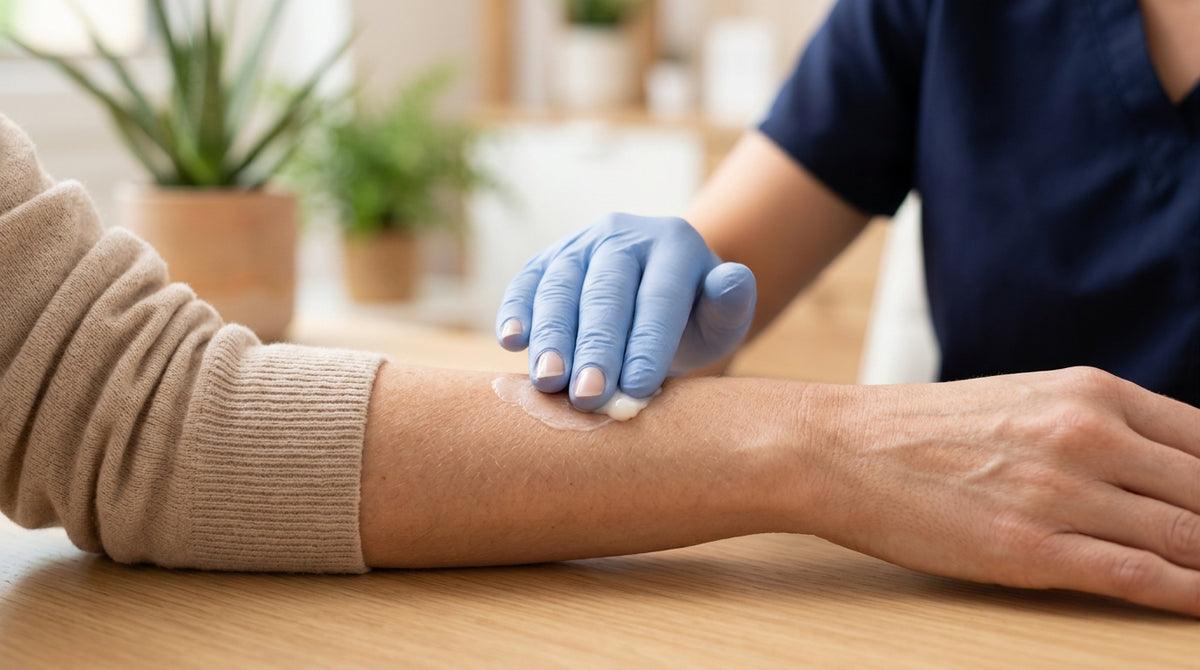
Topical corticosteroids remain one of the most frequently prescribed interventions in modern dermatology. For decades, they have served as the frontline response for subduing acute inflammatory fla...
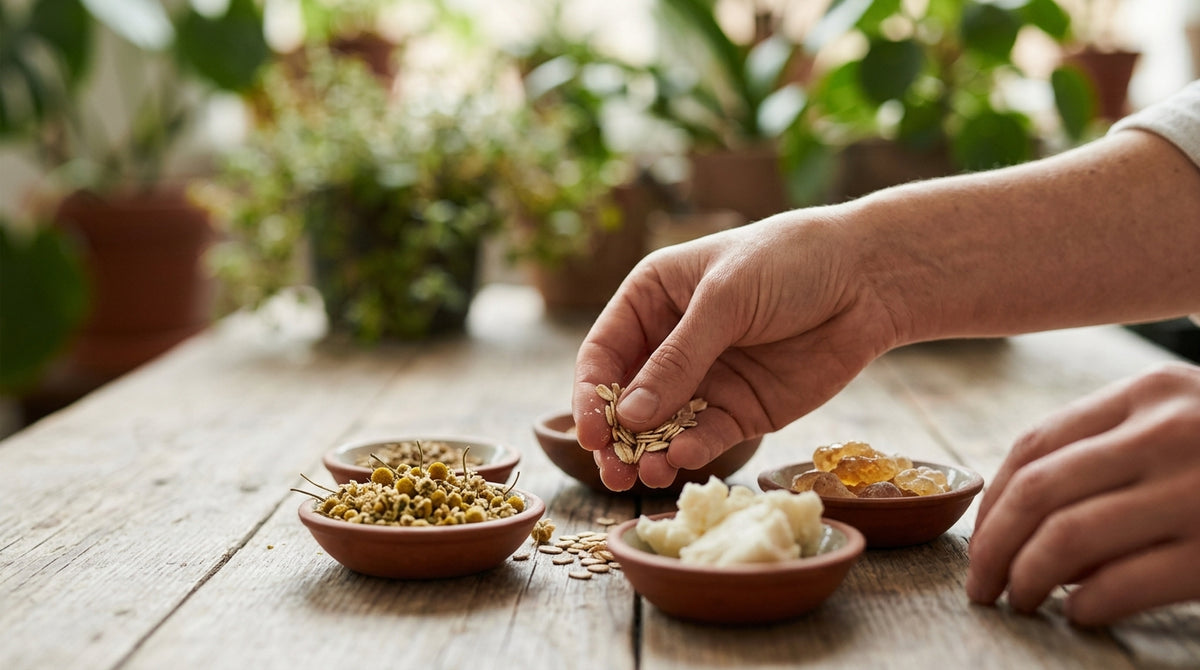
Facial eczema presents a unique skincare dilemma. Unlike the thicker skin on the body, the skin on the face is delicate, highly vascular, and constantly exposed to environmental stressors. When a f...